



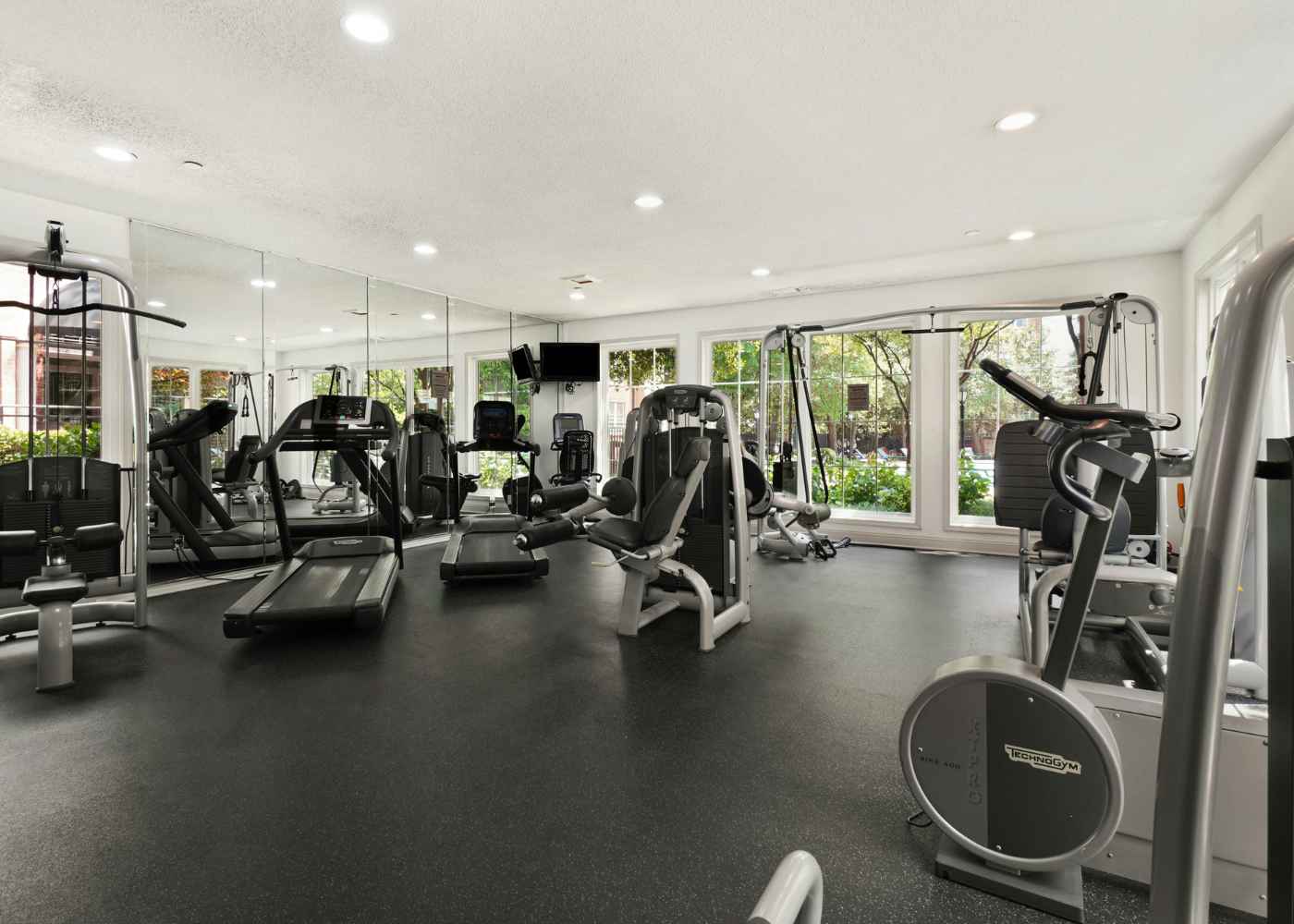
Fitness equipment represents a significant investment, whether it sits in a home gym or commercial facility. Treadmills, ellipticals, stationary bikes and strength machines endure constant stress through daily use, and that wear accumulates in ways that eventually affect both performance and safety. Most equipment failures do not happen suddenly. They develop gradually through small problems that compound into major breakdowns when left unaddressed.
Understanding why regular maintenance matters helps equipment owners protect their investments while ensuring the machines remain safe for everyone who uses them.
Extending Equipment Lifespan
Every piece of fitness equipment has moving parts that experience friction, heat and stress during operation. Belts stretch and wear. Bearings lose lubrication. Motors accumulate dust that impedes cooling. Without intervention, these gradual changes accelerate deterioration that shortens the useful life of machines designed to last for years.
Regular maintenance addresses these issues before they cause permanent damage.
Technicians can identify worn components and replace them at appropriate intervals, preventing the cascading failures that occur when one damaged part stresses others beyond their design limits. A treadmill belt replaced at the first signs of wear costs far less than the motor it would destroy if allowed to slip repeatedly under load.
Preventing Costly Breakdowns
Emergency repairs cost more than scheduled maintenance for reasons beyond the parts involved. Rushed service calls, expedited shipping for components and the urgency of getting equipment back online all add premiums that planned maintenance avoids. Facilities that depend on equipment availability face additional costs from member complaints and canceled sessions during unexpected downtime.
Choosing companies like Everything Fitness LLC ensures proactive maintenance that identifies early issues, reduces breakdown risks and extends equipment lifespan. Their experienced technicians assess electrical systems, belts, motors and consoles to ensure accurate diagnostics and long-term reliability for all major brands.
The mathematics favor prevention over reaction. A modest investment in regular service prevents the substantial expenses that emergency breakdowns inevitably produce.
Ensuring User Safety
Equipment failures can injure users in ways that create liability far exceeding any repair costs. Treadmills with worn belts can slip suddenly, throwing runners off balance. Resistance mechanisms that malfunction mid-exercise can cause joint injuries. Frayed cables on strength equipment can snap without warning.
Regular inspection catches safety hazards before accidents occur. Technicians recognize warning signs that casual users would never notice, from subtle vibrations indicating bearing wear to electrical anomalies suggesting potential failures. This professional attention protects both the people using equipment and the owners responsible for maintaining safe environments.
The consequences of safety failures extend beyond immediate injuries to include legal liability, reputation damage and regulatory scrutiny that proper maintenance would have prevented entirely.
Maintaining Performance Standards
Fitness equipment performance degrades gradually in ways users may not consciously notice. Treadmill speeds drift from calibration. Resistance levels on bikes and ellipticals become inconsistent. Display readings lose accuracy. These changes affect workout quality without triggering obvious repair needs.
Preventative maintenance includes calibration checks that restore equipment to factory specifications. Users get the workout intensity they select rather than approximations that drift over time. This accuracy matters for training programs based on specific metrics and for facilities where members expect consistent experiences across multiple machines.
Performance maintenance also addresses the subjective feel of equipment. Proper lubrication keeps motion smooth. Belt tension adjustments prevent the sluggish response that users find frustrating. Clean components operate quietly rather than developing the rattles and squeaks that make equipment feel neglected.
Creating Effective Maintenance Schedules
Appropriate maintenance intervals depend on usage levels and equipment types. High-traffic commercial machines need more frequent attention than lightly used home equipment. Treadmills with their complex drive systems typically require more maintenance than simpler equipment like stationary bikes.
Professional service providers help owners establish schedules matched to their specific situations. Annual servicing works for many home installations, while commercial facilities may need quarterly or monthly attention depending on traffic volume. The goal involves catching problems early without wasting resources on unnecessary service visits.
Documentation of maintenance activities protects owners in multiple ways. Records demonstrate due diligence if safety questions ever arise. They help technicians understand equipment history when diagnosing problems. They also support warranty claims by proving proper care throughout coverage periods.
Recognizing Warning Signs
Between scheduled maintenance visits, equipment owners should monitor for symptoms indicating service needs. Unusual noises, inconsistent speed, belt slipping and error messages on consoles all warrant professional attention. Addressing these issues early prevents the more serious damage that continued operation causes.
Users often notice problems before owners do. Establishing channels for reporting concerns ensures that warning signs reach decision-makers who can authorize service calls. The treadmill that feels slightly different to a regular user may be developing issues that will become obvious failures within weeks.
Waiting until equipment completely fails guarantees the most expensive and disruptive repair scenarios. Proactive response to early warning signs keeps maintenance costs manageable while minimizing the downtime that complete failures require.