



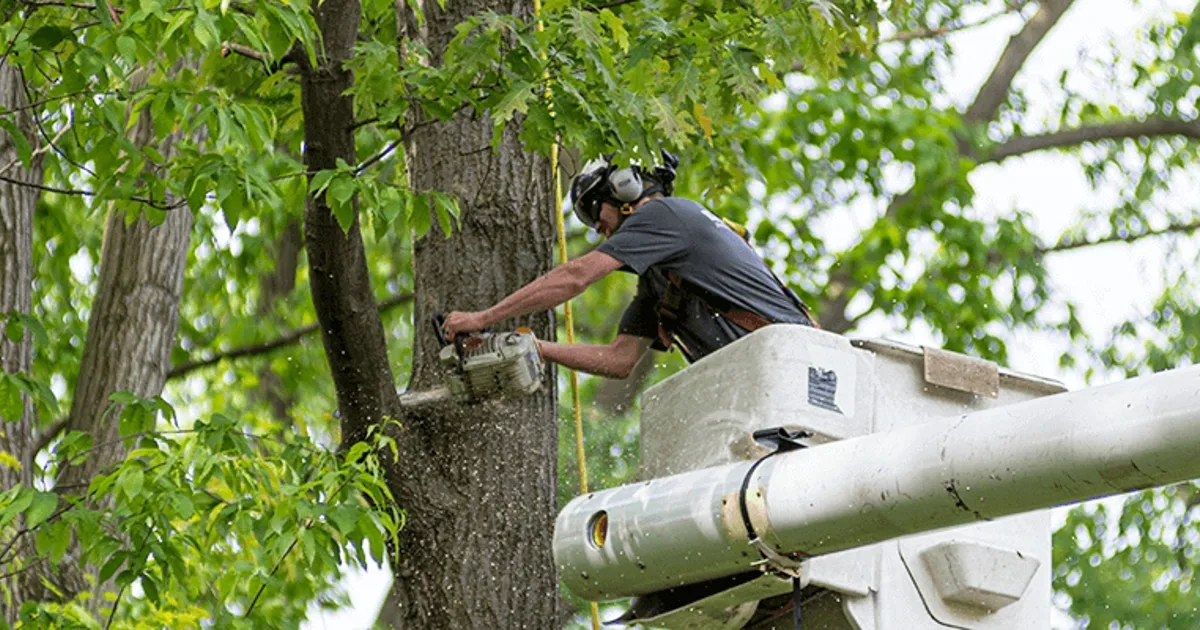
Trees are often appreciated for their beauty, shade, and the sense of calm they bring to outdoor spaces. However, their role in modern towns and cities goes far beyond simple landscaping. From improving air quality to supporting wildlife and regulating temperatures, trees quietly contribute to healthier and more sustainable urban environments.
As cities expand and green spaces become more limited, the importance of properly managing and protecting urban trees has grown significantly. Understanding how trees function within urban ecosystems helps highlight why responsible tree care and management are essential.
Trees as Natural Air Filters
One of the most important environmental benefits trees provide is air purification. Trees absorb pollutants such as nitrogen dioxide, sulphur dioxide, and particulate matter through their leaves and bark. These pollutants are commonly produced by vehicles, industrial activity, and heating systems.
Through the process of photosynthesis, trees also absorb carbon dioxide and release oxygen back into the atmosphere. A mature tree can absorb a considerable amount of carbon dioxide each year, helping reduce the concentration of greenhouse gases in the environment.
In busy urban areas, tree-lined streets can noticeably improve air quality, especially when compared to areas with limited greenery.
Temperature Control in Urban Areas
Cities tend to experience what is known as the “urban heat island effect.” This occurs when buildings, roads, and other infrastructure absorb and retain heat, causing temperatures in urban areas to be significantly higher than in surrounding rural areas.
Trees help counteract this effect in several ways. Their canopies provide shade, reducing the amount of direct sunlight that reaches roads and buildings. At the same time, trees release water vapour through a process called transpiration, which cools the surrounding air.
Studies have shown that areas with dense tree coverage can be several degrees cooler than nearby areas with minimal vegetation.
Trees and Biodiversity
Urban trees also play an essential role in supporting biodiversity. Even in highly developed areas, trees provide habitats for birds, insects, and small mammals.
Different species of trees support different types of wildlife. For example, oak trees can host hundreds of insect species, which in turn provide food for birds and other animals. Flowering trees also support pollinators such as bees and butterflies, which are crucial for maintaining healthy ecosystems.
Without trees, many urban environments would lack the resources needed to support wildlife populations.
The Importance of Tree Maintenance
While trees provide many benefits, they require proper care to remain healthy and safe. In urban settings, trees often grow close to buildings, roads, and public pathways. Without routine maintenance, branches can become overgrown, diseased, or structurally weak.
Regular inspections help identify potential issues such as dead limbs, fungal infections, or structural damage. Proper pruning can improve tree health by removing damaged branches and encouraging balanced growth.
In some situations, severe weather can also cause damage to trees. Strong winds, heavy rain, and storms may weaken branches or destabilise entire trees, making professional assessment necessary to prevent hazards.
The Challenge of Managing Trees in Urban Environments
Urban trees face many challenges that trees in natural forests do not experience. Limited root space, compacted soil, air pollution, and nearby construction can all affect their health.
Roots often compete with underground utilities, pavements, and drainage systems for space. When root systems are restricted, trees may struggle to absorb enough water and nutrients.
Because of these challenges, urban tree management requires specialised knowledge. Arborists are trained to assess tree health, identify potential risks, and recommend solutions that protect both the tree and surrounding infrastructure.
For those interested in learning more about professional tree care practices or arboricultural services, additional information is available if you Click Here.
Preserving Urban Trees for Future Generations
Urban trees are long-term investments in environmental health and community wellbeing. Many of the trees lining streets today were planted decades ago, and their benefits continue to grow as they mature.
By maintaining existing trees and planting new ones where possible, communities can create greener, healthier environments. Responsible tree management ensures that these natural assets remain safe, sustainable, and beneficial for years to come.
Understanding the ecological value of trees helps reinforce why proper care, monitoring, and planning are vital in any modern urban landscape.