



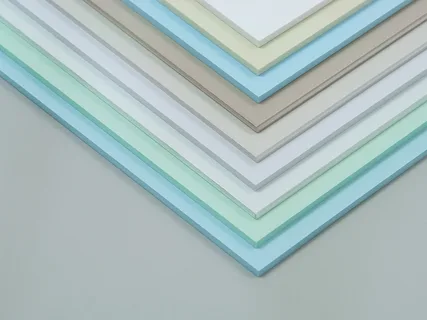
Hygienic wall cladding panels are designed to create smooth, easy-to-clean wall surfaces in environments where hygiene, moisture resistance, and durability are essential. Used across commercial kitchens, healthcare facilities, food production areas, washrooms, and domestic spaces, these panels provide a modern alternative to traditional tiled or painted walls.
With their non-porous construction and low-maintenance finish, hygienic wall cladding panels help businesses and homeowners create cleaner, more durable interiors that are built to withstand demanding conditions.
What Are Hygienic Wall Cladding Panels?
Hygienic wall cladding panels are rigid sheets manufactured from materials such as PVC, uPVC, stainless steel, or aluminium. These panels are fixed directly onto walls to create a sealed protective surface that resists moisture, dirt, and bacteria.
Unlike traditional wall coverings, hygienic cladding panels reduce the number of exposed joints and remove the need for grout lines, which are common areas for mould and bacterial build-up. The smooth surface allows for easy cleaning and helps maintain a higher level of hygiene.
Panels are available in multiple thicknesses, finishes, and colours, making them suitable for both practical and decorative applications.
Key Benefits of Hygienic Wall Cladding Panels
One of the main advantages of hygienic wall cladding panels is ease of cleaning. The smooth, wipe-clean surface allows dirt, grease, and marks to be removed quickly using standard cleaning products, reducing maintenance time and improving hygiene standards.
Moisture resistance is another important feature. Hygienic panels do not absorb water, helping prevent mould growth and protecting the wall beneath from damp and long-term damage.
Durability is also a major benefit. Depending on the panel type and thickness, hygienic wall cladding can withstand impact, regular cleaning, and heavy daily use, making it suitable for demanding commercial and industrial environments.
In addition, wall cladding panels provide a clean and professional appearance, helping improve the overall look of the space while delivering practical performance.
Types of Hygienic Wall Cladding Panels
There are several different types of hygienic wall cladding panels available to suit different environments and budgets.
PVC wall cladding panels are among the most popular options due to their lightweight construction, affordability, and moisture resistance. These are available in various thicknesses, including budget and heavy-duty ranges.
Coloured wall cladding panels allow for more decorative installations while still maintaining hygiene and durability. These are commonly used in schools, healthcare settings, and retail environments.
Antimicrobial cladding panels feature built-in antimicrobial protection that helps reduce bacterial growth on the surface, making them ideal for healthcare and food preparation areas.
Stainless steel wall cladding panels provide a more robust and heat-resistant solution for heavy-duty commercial kitchens and industrial applications.
Applications Across Different Industries
Hygienic wall cladding panels are widely used in commercial kitchens and food preparation environments where easy-clean surfaces and compliance with hygiene standards are essential.
Healthcare facilities use these panels to support infection control and create sterile, easy-to-maintain environments in hospitals, clinics, and care homes.
Food processing plants and industrial facilities benefit from the durability and moisture resistance of wall cladding systems, particularly in areas exposed to regular cleaning and heavy use.
Domestic applications are also increasingly common. Bathrooms, kitchens, utility rooms, and garages often use hygienic wall panels as a modern alternative to tiles or painted walls.
Installation and Finishing Components
Installing hygienic wall cladding panels involves fixing the sheets directly to prepared walls using specialist adhesives or mechanical fixings.
Trims and profiles are then used to finish edges, corners, and panel joins, helping create a sealed and professional finish. Silicone sealants are applied where required to prevent moisture ingress and maintain hygiene standards.
Many installations also include matching ceiling cladding, coving, and skirting systems to create a fully integrated hygienic environment.
Maintenance and Long-Term Performance
Hygienic wall cladding panels are designed for minimal maintenance. Regular cleaning with suitable products helps maintain both hygiene and appearance over time.
The panels resist staining, moisture, and wear, reducing the need for frequent repairs or redecorating. This makes them a cost-effective long-term solution for both commercial and domestic environments.
Their durability and easy-clean properties also help improve operational efficiency in environments where cleanliness is a priority.
A Reliable Wall Solution for Hygienic Spaces
Hygienic wall cladding panels provide a practical, durable, and easy-to-maintain solution for a wide range of environments. Their ability to combine hygiene, moisture resistance, and professional appearance makes them one of the most effective modern wall protection systems available.
Whether used in commercial kitchens, healthcare facilities, industrial spaces, or modern homes, hygienic wall cladding panels offer long-lasting performance and help create cleaner, safer, and more efficient interiors.