



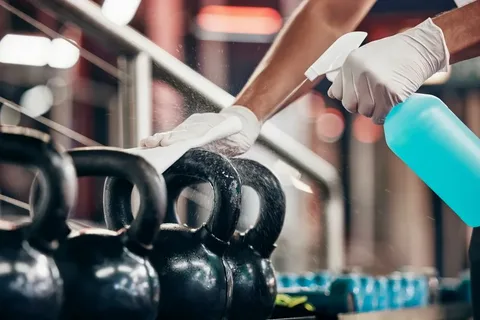
Maintaining a clean fitness environment is essential for both health and performance. Whether it’s a small studio or a large commercial fitness center, Gym cleaning plays a critical role in ensuring safety, hygiene, and member satisfaction. In today’s fitness culture, cleanliness is no longer optional—it’s expected.
Below is a detailed guide on why cleanliness matters, what it involves, and how gyms can maintain high standards of hygiene consistently.
Why Gym Cleaning Is Essential for Health and Safety
Gyms are high-traffic environments where people share equipment, mats, and surfaces. This creates an ideal setting for germs, bacteria, and viruses to spread if proper cleaning is not maintained.
Gym cleaning helps reduce the risk of:
- Skin infections caused by bacteria on equipment
- Respiratory illnesses from airborne germs
- Fungal infections in locker rooms and showers
- Cross-contamination from sweat and shared surfaces
Since many gym users touch the same equipment within short time intervals, even minor lapses in hygiene can lead to significant health concerns.
Key Areas That Require Regular Cleaning
A proper gym hygiene strategy goes beyond wiping down a few machines. Effective Gym cleaning requires attention to all high-contact and high-moisture areas.
1. Exercise Equipment
Free weights, treadmills, stationary bikes, and cable machines should be disinfected multiple times a day. Handles, seats, and touchscreens are the most critical points.
2. Floors and Mats
Sweat, dust, and debris accumulate quickly in workout zones. Mats used for yoga or stretching must be sanitized after each use or at least daily.
3. Locker Rooms and Showers
These areas are prone to bacteria and mold growth due to moisture. Regular deep cleaning, ventilation, and disinfecting surfaces are essential.
4. Reception and Common Areas
Front desks, door handles, and seating areas should not be overlooked. These are high-touch surfaces where germs easily spread.
Best Practices for Effective Gym Cleaning
To maintain a safe and welcoming environment, gyms must follow structured cleaning protocols. Consistency is key.
Use Proper Cleaning Products
Not all cleaning agents are suitable for gym equipment. Disinfectants should be effective against bacteria and viruses but also safe for machine surfaces and upholstery.
Establish a Cleaning Schedule
A well-organized timetable ensures that no area is neglected. High-touch surfaces should be cleaned multiple times daily, while deep cleaning can be scheduled weekly or monthly depending on usage.
Train Staff Properly
Employees should understand how to properly sanitize equipment and use cleaning chemicals safely. Clear guidelines improve efficiency and reduce mistakes.
Encourage Member Participation
Many gyms provide disinfectant sprays and wipes so members can clean equipment before and after use. This shared responsibility enhances overall hygiene.
The Role of Professional Services in Gym Cleaning
Some gyms choose to outsource maintenance to professional cleaning companies. This ensures a higher standard of hygiene, especially in larger facilities.
Professional Gym cleaning services often include:
- Deep disinfection using industrial-grade products
- Steam cleaning of carpets and mats
- Sanitization of ventilation systems
- Regular inspection of hygiene compliance
These services are particularly beneficial for gyms with heavy daily traffic, where in-house cleaning may not be sufficient.
Common Mistakes to Avoid in Gym Cleaning
Even well-managed gyms can make hygiene mistakes that reduce effectiveness.
Some common errors include:
- Using the wrong cleaning products that damage equipment
- Ignoring hidden or less visible areas like under machines
- Inconsistent cleaning schedules
- Not allowing proper drying time for disinfectants
Avoiding these mistakes ensures that Gym cleaning remains effective and long-lasting.
Conclusion
Cleanliness is a foundational aspect of any successful fitness facility. Proper hygiene not only protects members but also enhances the gym’s reputation and user experience. A structured approach to Gym cleaning, combined with trained staff and consistent routines, ensures a safe and welcoming workout environment.
Whether managed internally or through professionals, investing in cleanliness is ultimately an investment in member health, satisfaction, and long-term success.