



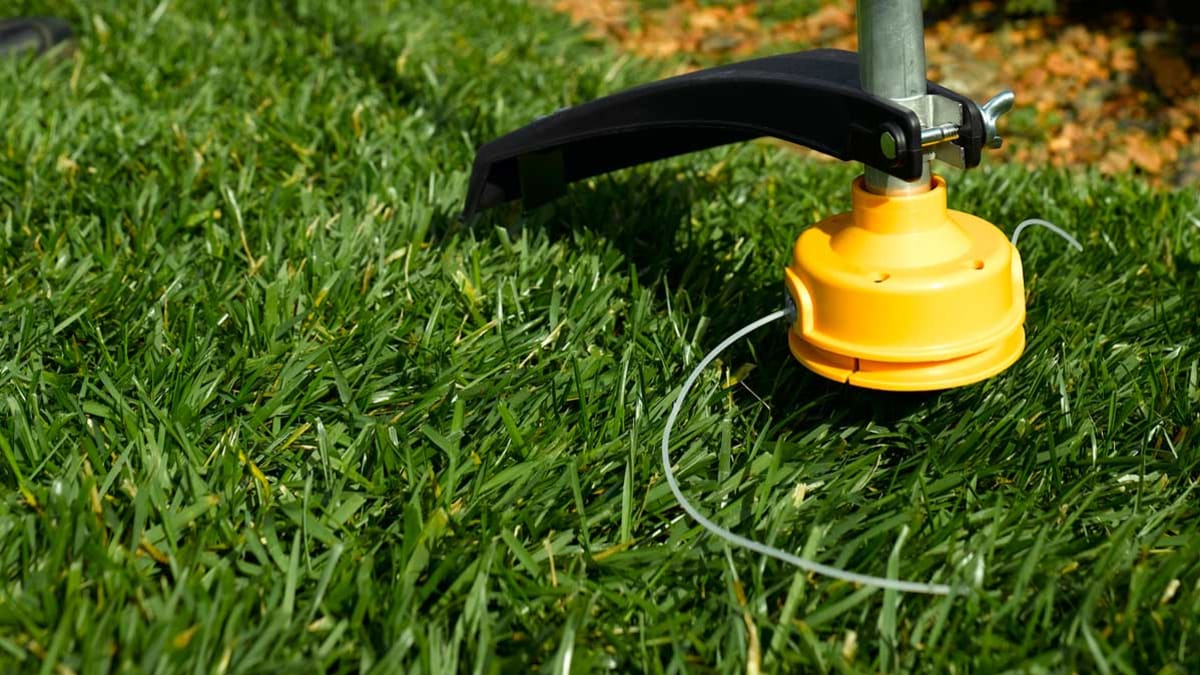
If you’ve ever looked at an overgrown lawn and wondered how to bring it back under control, a weed eater (also known as a string trimmer or line trimmer) is one of the most useful tools you can own. But with so many models, power types, and features available, buying a weed eater can quickly feel overwhelming.
This guide breaks everything down into clear, practical sections so you can choose the right tool for your yard without wasting money or effort.
What Is a Weed Eater and Why Do You Need One?
A weed eater is a handheld or wheeled garden tool designed to cut grass and weeds in places a lawnmower cannot reach. These include edges along fences, flower beds, trees, sidewalks, and tight corners.
Unlike a mower, it uses a rapidly spinning nylon string (or sometimes a blade attachment) to trim vegetation precisely. This makes it essential for finishing touches and detailed lawn maintenance.
Types of Weed Eaters
Understanding the main types is the first step in buying a weed eater that fits your needs.
1. Electric Corded Weed Eaters
These plug into a power outlet and run continuously as long as they’re connected.
Pros:
- Lightweight and easy to handle
- Low maintenance
- No fuel or battery charging needed
Cons:
- Limited by cord length
- Not ideal for large yards
Best for: Small gardens and light trimming tasks.
2. Battery-Powered (Cordless) Weed Eaters
These run on rechargeable batteries, offering more mobility.
Pros:
- Portable and easy to move around
- No cords or fuel
- Quiet operation
Cons:
- Limited runtime per charge
- Batteries may need replacement over time
Best for: Medium-sized lawns and homeowners who value convenience.
3. Gas-Powered Weed Eaters
These use fuel and are the most powerful option.
Pros:
- High cutting power
- Suitable for thick weeds and large areas
- Long runtime
Cons:
- Heavier and louder
- Requires maintenance (fuel mixing, engine care)
Best for: Large properties or professional landscaping.
Key Features to Look For
When buying a weed eater, don’t just focus on price—consider these important features:
Cutting Width
This determines how wide a path the trimmer can cut in one pass. Wider cutting widths reduce time but may be harder to control in tight areas.
Shaft Type
- Straight shaft: Better reach under bushes and fences
- Curved shaft: Easier handling and lighter weight
Weight and Balance
A well-balanced trimmer reduces fatigue, especially during longer sessions.
Auto Feed vs. Manual Line
- Auto-feed systems release new string automatically
- Manual systems require stopping and adjusting the line
Auto-feed is more convenient for beginners.
Vibration Control
Lower vibration means more comfort and less strain on your arms.
Choosing the Right Power Source for Your Yard
Your yard size plays a big role in decision-making:
- Small yard: Corded electric or lightweight battery model
- Medium yard: Battery-powered trimmer with strong battery life
- Large yard or heavy weeds: Gas-powered weed eater
Matching power to your needs ensures efficiency and prevents frustration.
Common Mistakes to Avoid When Buying a Weed Eater
Many people make simple mistakes when buying a weed eater, leading to regret later:
- Choosing too much power for a small yard
- Ignoring weight and comfort
- Overlooking replacement string availability
- Not checking battery life (for cordless models)
- Buying the cheapest option without durability in mind
Avoiding these mistakes helps you get a tool that lasts longer and performs better.
Maintenance Tips for Long-Term Use
To keep your weed eater working efficiently:
- Clean debris after each use
- Replace trimmer line regularly
- Check for loose parts or wear
- Store in a dry place
- For gas models, maintain fuel properly
Good maintenance extends the life of your equipment significantly.
Final Thoughts
Buying a weed eater isn’t just about picking the most powerful or cheapest option—it’s about matching the tool to your yard, comfort level, and long-term needs. Whether you choose electric, battery, or gas, the right trimmer will save time, improve your lawn’s appearance, and make yard work much easier.