



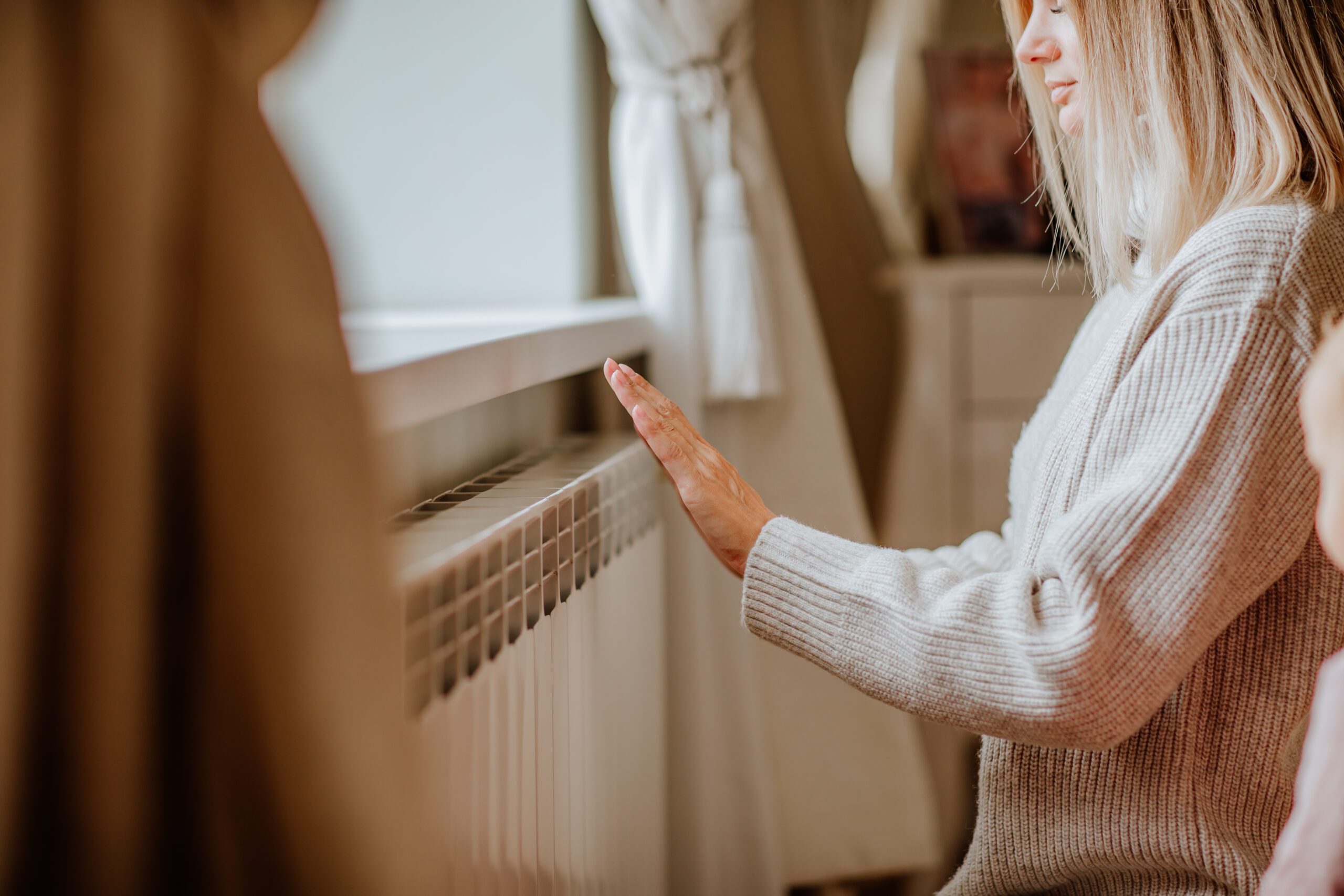
Keeping your home warm doesn’t always mean turning the thermostat up. If your heating system isn’t working efficiently or your home is losing heat, you could be using more energy than necessary without actually feeling much warmer.
The good news is that improving heating efficiency doesn’t always mean replacing everything. A few sensible checks and small changes can make your system work more effectively and leave rooms feeling more comfortable.
Start With Your Boiler
Your boiler is at the heart of most home heating systems, so keeping it well maintained is important. Regular servicing can identify problems early and make sure your system is operating safely and efficiently. It also gives you a chance to deal with smaller issues before they turn into inconvenient breakdowns.
If your boiler is regularly breaking down, making unusual noises or struggling to heat your home, it may be time to have it checked by a qualified heating engineer. Even something as simple as repeatedly losing pressure can indicate that your boiler needs attention. If you’re experiencing this problem, here’s what to do if your boiler loses pressure.
It is also worth paying attention to changes in how the boiler behaves. If it takes longer to heat the house than it used to, or you keep turning the thermostat up just to stay comfortable, the system may need checking.
An older boiler may also be less efficient than a modern replacement, but that doesn’t automatically mean it needs replacing straight away. A professional can advise whether a repair, maintenance or replacement makes the most sense.
Don’t Let Heat Escape
Even an efficient heating system will struggle if your home loses heat quickly. Before spending money on major heating work, it makes sense to look at places where warmth may be escaping.
Check for obvious sources of heat loss, including:
- Draughty doors and windows
- Poor loft or wall insulation
- Gaps around windows and doors
- Uninsulated pipes
Some of these problems are easy to notice on a cold or windy day. You might feel a draught around a door frame or notice one room cooling much faster than the others.
Improving insulation and reducing draughts keeps warmth in for longer, meaning the heating doesn’t have to work as hard. Draught-proofing obvious gaps is a simple place to start, while larger insulation improvements may be worth considering if heat loss is a continuing problem.
Make Better Use of Your Heating Controls
Heating an empty house all day isn’t usually necessary, and leaving the heating at the same setting regardless of your routine can waste energy.
A programmable thermostat or smart heating control lets you set the heating around the times you are normally at home. Reviewing the schedule occasionally also helps stop an old setting from quietly wasting energy.
Thermostatic radiator valves are useful too because different rooms don’t always need the same amount of heat. A spare bedroom, for example, may not need to be kept as warm as a living room used every evening.
Check Your Radiators
If your boiler is working but some rooms still feel cold, your radiators could be part of the problem. They need space around them for warm air to circulate properly, so make sure large pieces of furniture aren’t pushed directly in front of them and avoid covering them with long curtains where possible.
Check whether each radiator heats evenly. A radiator that’s cold at the top may simply need bleeding, while one that stays cold when the others are hot may need further attention.
If several radiators aren’t heating properly, or the system takes a long time to warm the house, getting it checked can save a lot of guesswork. Turning the thermostat higher won’t solve poor heat distribution.
Is Your Boiler Still the Right Choice?
For some homeowners, improving efficiency may eventually mean looking beyond the existing boiler. If the system is old or unreliable, it can be useful to understand the alternatives before an urgent replacement is needed.
Air source heat pumps are one option homeowners are considering. Instead of burning fuel to produce heat, they use electricity to extract heat from the outside air and transfer it into the home. They work differently from a traditional boiler, so a switch needs proper planning.
A heat pump isn’t suitable for every property. The home’s insulation, heating requirements, available space and existing heating system all need to be considered. Radiator sizes and the way heat is distributed around the property can also affect what changes may be needed.
If you’re thinking about making the switch, APE Heating’s air source heat pump complete guide explains more about the installation process and what is involved. Researching the change first makes it easier to work out whether a heat pump is realistic for your property.
Don’t Forget About Hot Water
Your heating system doesn’t just keep your rooms warm. It also provides hot water for everyday tasks, so it is worth thinking about how that side of the system is being used as well.
If you have an older heating system, having the whole setup assessed can be more useful than focusing only on the boiler. Controls, cylinders and pipework can all affect how heat and hot water are delivered around the home.
Daily habits matter too. Reducing unnecessarily long showers and checking that your hot-water schedule still matches your routine can reduce wasted energy without affecting everyday comfort.
Small Changes Can Make a Difference
Improving your home’s heating efficiency doesn’t have to involve a complete overhaul. Often, the best place to start is making sure the existing system works properly and the heat it produces isn’t being wasted.
Start with the basics:
- Keep your boiler properly serviced.
- Reduce draughts and improve insulation where needed.
- Make better use of heating controls.
- Keep radiators clear and working properly.
- Pay attention to changes in how quickly your home heats up.
- Get professional advice if your boiler is becoming unreliable.
- Consider whether an alternative heating system could suit your home in the future.
The right solution will depend on the property and the heating system already in place. You don’t need to tackle everything at once. Fixing a draught, adjusting the heating schedule or sorting out a poorly performing radiator are all sensible places to begin. Dealing with small problems early and getting professional advice when something doesn’t seem right can make your home warmer while reducing wasted energy.