



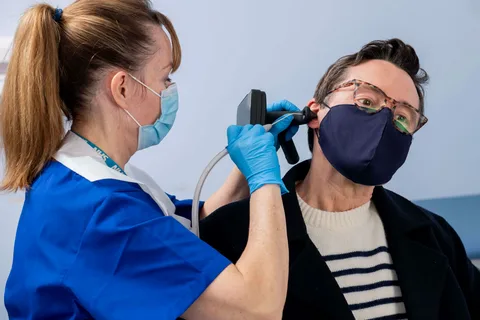
Hearing is one of those senses most of us take entirely for granted until it starts to let us down. The gradual creep of a blocked ear, the muffled quality to sounds that were once sharp, the persistent low-level ringing that follows you into quiet rooms: these are not simply inconveniences. They are signals from your body that something needs attention.
For a significant proportion of adults in the UK, the underlying cause is straightforward: ear wax build-up. Common, treatable, and far more disruptive to daily life than most people anticipate before they experience it. What is less straightforward is knowing what to do about it, where to go, and which treatment method to trust.
This guide cuts through the confusion and explains what you need to know about professional ear wax removal in London, with a particular focus on why microsuction has become the method of choice among ear care specialists.
Why Ear Wax Becomes a Problem
Ear wax is not a sign that something is wrong with your ears. It is produced naturally by glands in the outer ear canal and serves a genuinely protective purpose, trapping bacteria, dust, and debris before they can travel toward the eardrum. The ear is largely self-cleaning: old wax typically migrates outward on its own through the natural movement of skin cells and jaw motion.
The problem arises when this self-cleaning process does not keep pace. Some people produce more wax than their ears can clear. Others have narrow or curved ear canals that make outward migration difficult. Regular hearing aid use, frequent in-ear earphone use, and the ill-advised habit of cotton bud insertion all interfere with the process in ways that cause wax to accumulate and compact.
When wax builds up significantly, the results can include:
- Noticeable reduction in hearing, either sudden or gradual
- A sensation of pressure or fullness in one or both ears
- Tinnitus, including ringing, buzzing, or hissing
- Earache or mild persistent discomfort
- Dizziness or balance disruption
- Itchiness inside the ear canal
None of these symptoms should be ignored or attributed indefinitely to other causes. A professional assessment can confirm the issue and resolve it, often within a single appointment.
The NHS Gap and the Rise of Private Ear Care
One of the most significant shifts in ear care provision in recent years has been the withdrawal of routine ear wax removal services by many NHS practices across England. Following updated guidance, a large number of GP surgeries and primary care services no longer offer ear irrigation or other wax removal treatments, citing resource allocation priorities.
The practical effect is that millions of adults now have no accessible NHS pathway for a common, recurring health issue. Referral to audiology services is possible in more complex cases, but waiting times are often measured in months rather than days.
Private specialist clinics have stepped in to fill this gap, and in a city like London, the options available are substantial. However, quality varies considerably between providers, and understanding what good care looks like is essential before booking.
Why Microsuction Is the Preferred Treatment Method
When it comes to professional ear wax removal, there are three main methods available: ear irrigation (the updated version of the older syringing technique), manual instrument removal, and microsuction. Each has its place, but microsuction has emerged as the approach that ear care professionals most consistently recommend, and for well-evidenced clinical reasons.
Microsuction uses a fine, precisely calibrated suction device operated under direct visual guidance. The clinician uses a binocular operating microscope or specialist ENT loupes throughout the entire procedure, maintaining a clear view of the ear canal at all times. There is no water involved, no pressure applied to the canal, and no reliance on feel or estimation.
The advantages over water-based methods are meaningful:
Safety through visibility. The clinician can see exactly where the instrument is at every moment, allowing real-time adjustments and reducing the risk of contact with the canal wall or eardrum.
No water-related risks. Ear irrigation, while effective for many patients, cannot safely be used on those with a history of perforated eardrums, prior ear surgery, grommets, or chronic ear infections. Microsuction carries none of these contraindications and is suitable for a much broader patient group.
Speed and efficiency. Microsuction does not require pre-treatment with softening drops in most cases, meaning a single appointment can both assess and resolve the problem. Many patients leave with clear ears after their very first visit.
Greater comfort than expected. First-time patients often anticipate discomfort. In practice, the procedure involves a mild whooshing sensation and gentle vibration, and the majority of patients are surprised by how tolerable and quick the experience is.
For anyone researching ear wax removal London services, microsuction represents the most clinically robust option currently available.
What to Look for in a Specialist Clinic
Choosing the right provider is as important as choosing the right method. Here is what a well-run microsuction clinic London should offer.
Qualified, registered clinicians. Microsuction should only be performed by audiologists, ear care nurses, or ENT specialists with appropriate professional registration, in the UK typically with the Health and Care Professions Council (HCPC). Always verify this before booking.
Proper clinical equipment. A genuine microsuction service requires a medical-grade suction device paired with a binocular operating microscope or high-quality ENT loupes. Clinics that offer video otoscopy, allowing you to see your ear canal before and after treatment on a small screen, are demonstrating a commendable level of clinical transparency.
A thorough pre-treatment assessment. No responsible clinician should proceed to wax removal without first examining the ears with an otoscope and taking a relevant medical history. This step identifies contraindications, determines the most appropriate method, and establishes a baseline for comparison after treatment.
Honest, transparent pricing. Private microsuction for both ears in London is typically priced between PS55 and PS90. This reflects appropriate clinical infrastructure and professional oversight. Unusually low prices are worth scrutinising.
Accessibility and flexibility. For busy Londoners, a clinic that offers online booking, multiple locations, and appointment availability outside standard working hours removes the practical barriers that so often delay people from addressing health issues they have been quietly managing for too long.
What Your Appointment Will Look Like
For anyone attending a specialist ear clinic for the first time, knowing what to expect in advance makes the experience considerably more comfortable.
The appointment begins with a brief consultation. The clinician will ask about your symptoms, how long you have been experiencing them, and whether you have any relevant medical history relating to your ears. They will then examine both ears with an otoscope to assess the extent and nature of the wax build-up.
Once the assessment is complete and microsuction has been confirmed as the appropriate approach, you will be seated comfortably while the procedure takes place. A small speculum is used to gently hold the ear canal open. The suction device is introduced under magnification and the wax is carefully drawn out. The whole process for both ears typically takes between 15 and 30 minutes.
After the procedure, both ears are re-examined to confirm clearance, and the clinician will advise on any aftercare and on steps to reduce future build-up.
Most patients notice an immediate improvement in hearing clarity as they leave the clinic. For those who have been living with significant impaction for weeks or months, the difference can feel quite dramatic.
After Your Appointment: Reducing Future Build-Up
Professional wax removal resolves the current problem, but some patients are prone to recurring build-up and benefit from taking an active approach to prevention between appointments.
The most widely recommended maintenance measure is regular use of olive oil or almond oil drops: two to three drops in each ear, two to three times per week. This keeps the wax soft and supports the ear’s natural outward migration. It is particularly useful for hearing aid users, older adults, and anyone who regularly uses in-ear earphones or earbuds.
Avoiding cotton buds is the single most important preventative measure most people can take. Their use typically worsens the problem they are intended to solve, compacting wax further into the canal rather than removing it.
If you find yourself needing professional treatment every few months, it is worth discussing a planned maintenance schedule with your clinician. A proactive, regular approach is often more comfortable and more cost-effective than waiting for symptoms to become acute before seeking help.
Taking Your Ear Health Seriously
Ear health rarely gets the attention it deserves until something goes wrong. But the impact of even partial hearing loss on daily life, on concentration, communication, confidence, and wellbeing, accumulates quickly and often invisibly.
The encouraging reality is that for the vast majority of people experiencing symptoms related to wax build-up, the solution is accessible, affordable, and faster than most expect. Finding qualified microsuction clinic London services from a reputable clinic like Auris Ear Care is a straightforward process, and the results speak for themselves.
Do not put off addressing something so easily resolved. Your hearing is worth protecting.