



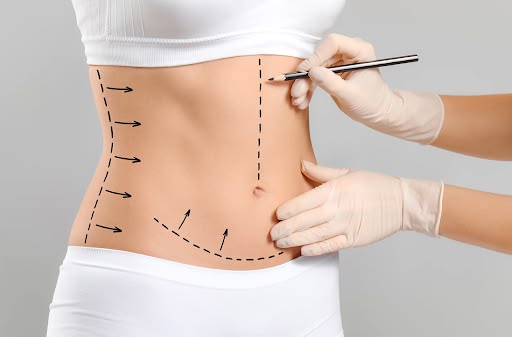
When people think about liposuction, they often focus on the procedure itself—the removal of stubborn fat, the promise of improved body contours, and the excitement of seeing a more sculpted silhouette. However, what happens after surgery is just as important as the procedure itself. While a skilled surgeon plays a major role in achieving excellent results, proper post-operative care can significantly influence how smoothly you heal and how your final results develop.
Contents
ToggleAmong the most important yet often overlooked aspects of liposuction recovery are compression garments and post-surgical massage. These recovery tools help manage swelling, support healing tissues, and encourage smoother, more refined contours. In many ways, SmartLipo in The Woodlands, TX they are the unsung heroes that help transform a successful surgery into a successful outcome.
Why Recovery Is Crucial After Liposuction
Liposuction removes fat cells from targeted areas, but the body still undergoes a healing process afterward. During recovery, tissues must adjust to their new shape while inflammation gradually subsides.
Common post-surgical effects include:
- Swelling
- Bruising
- Fluid accumulation
- Tenderness
- Temporary numbness
- Tissue stiffness
Without proper aftercare, these normal healing responses can take longer to resolve and may affect the appearance of the final results.
This is where compression garments and massage therapy become incredibly valuable.
What Are Compression Garments?
Compression garments are specially designed medical-grade garments worn after liposuction to provide consistent pressure over treated areas.
They may resemble:
- Bodysuits
- Compression shorts
- Abdominal binders
- Arm sleeves
- Chin straps
- Full-body garments
Your surgeon will recommend a garment based on the areas treated during your procedure.
How Compression Garments Help Recovery
Reducing Swelling
Swelling is one of the most common side effects of liposuction.
Compression garments help by:
- Limiting fluid buildup
- Supporting circulation
- Encouraging fluid drainage
This controlled pressure can significantly reduce post-operative swelling and improve comfort.
Supporting Healing Tissues
After fat removal, the body’s tissues need time to settle and adapt.
Compression garments provide gentle support that helps:
- Stabilize treated areas
- Minimize tissue movement
- Encourage proper healing
This support can be particularly beneficial during the first few weeks after surgery.
Promoting Better Contours
One of the primary goals of liposuction is achieving smooth, attractive body contours.
Compression garments help the skin conform more evenly to the underlying tissues, reducing the likelihood of:
- Uneven healing
- Minor contour irregularities
- Excess fluid pockets
Consistent use often contributes to a smoother final appearance.
Improving Comfort
Although wearing compression garments may feel unusual initially, many patients report that they actually improve comfort by:
- Providing support
- Reducing tissue movement
- Minimizing post-operative soreness
The gentle pressure can create a feeling of stability during recovery.
How Long Should Compression Garments Be Worn?
The duration varies depending on:
- The extent of liposuction
- Treatment areas
- Individual healing rates
- Surgeon preferences
Many patients wear compression garments continuously for several weeks before gradually reducing usage.
Following your surgeon’s specific recommendations is essential for optimal results.
Common Mistakes With Compression Garments
Removing Them Too Soon
One of the most common mistakes is discontinuing garment use prematurely.
Even if swelling appears reduced, underlying tissues may still be healing.
Wearing the Wrong Size
Garments that are too loose may provide insufficient support, while garments that are too tight can cause discomfort and circulation issues.
Inconsistent Use
Occasionally skipping compression garment wear can interfere with the healing process and delay progress.
Consistency is key.
Understanding Post-Surgical Massage
Another valuable recovery tool is post-operative massage therapy.
This specialized massage differs from traditional relaxation massage and is specifically designed to support healing after cosmetic procedures.
One commonly recommended approach is lymphatic drainage massage.
What Is Lymphatic Drainage Massage?
The lymphatic system helps remove excess fluid and waste products from the body.
After liposuction, fluid can temporarily accumulate within treated tissues.
Lymphatic drainage massage uses gentle techniques to encourage:
- Fluid movement
- Reduced swelling
- Improved circulation
- Faster recovery
The massage is typically performed by trained professionals familiar with post-surgical care.
Benefits of Post-Liposuction Massage
Reduces Swelling More Efficiently
While compression garments help control swelling externally, massage can support the body’s natural fluid drainage internally.
Together, they create a powerful recovery combination.
Helps Prevent Fluid Buildup
In some cases, fluid collections can develop beneath the skin during recovery.
Massage may help reduce the likelihood of fluid retention and encourage normal drainage patterns.
Softens Firm Areas
As tissues heal, some patients notice temporary firmness or lumpiness in treated areas.
Massage can help:
- Improve tissue flexibility
- Encourage smoother healing
- Reduce stiffness
This often contributes to a more natural feel and appearance over time.
Enhances Circulation
Improved circulation supports healing by delivering oxygen and nutrients to recovering tissues.
Better circulation may also help reduce discomfort and accelerate recovery.
Improves Overall Comfort
Many patients find that appropriate post-surgical massage helps relieve:
- Tightness
- Pressure
- Mild discomfort
- Sensations of swelling
As healing progresses, this can improve overall recovery satisfaction.
When Should Massage Begin?
The timing of post-operative massage varies depending on:
- Surgical technique
- Treatment area
- Individual healing progress
- Surgeon recommendations
Some patients begin massage within days after surgery, while others may wait longer.
Always follow your surgeon’s guidance before starting any massage program.
Combining Compression Garments and Massage
Rather than choosing one approach over the other, most recovery plans incorporate both.
Compression Garments Provide:
- External support
- Swelling control
- Tissue stabilization
- Contour shaping
Massage Provides:
- Internal fluid movement
- Improved circulation
- Reduced stiffness
- Enhanced tissue flexibility
Together, they address different aspects of the healing process and complement one another effectively.
Additional Recovery Tips
While compression garments and massage are important, other recovery habits also contribute to successful healing.
Stay Hydrated
Proper hydration supports:
- Circulation
- Lymphatic function
- Tissue repair
Water plays an important role in reducing swelling and promoting recovery.
Eat a Nutritious Diet
Focus on foods rich in:
- Lean protein
- Fruits
- Vegetables
- Whole grains
- Healthy fats
Good nutrition helps provide the nutrients needed for tissue regeneration.
Walk Regularly
Light walking helps:
- Improve circulation
- Reduce stiffness
- Lower blood clot risk
- Support overall healing
Even short walks can be beneficial during recovery.
Follow Medical Instructions
Your surgeon’s recommendations are tailored to your specific procedure and recovery needs.
Adhering to these guidelines remains one of the most important factors in achieving the best outcome.
Signs You’re Healing Well
As recovery progresses, you may notice:
- Gradually decreasing swelling
- Fading bruising
- Improved mobility
- Better contour definition
- Increased comfort
While healing timelines vary, these improvements generally indicate that your body is recovering as expected.
The Long-Term Impact on Results
Many patients focus heavily on the surgery itself but underestimate the influence of post-operative care.
Compression garments and massage can help support:
- Smoother contours
- Better skin adaptation
- Reduced swelling duration
- Enhanced comfort
- Improved overall satisfaction
By helping tissues heal more effectively, these recovery tools contribute significantly to the final appearance achieved after liposuction.
Final Thoughts
Liposuction is much more than a one-day procedure. The weeks and months that follow are a critical part of the journey, and proper recovery care can make a noticeable difference in both comfort and results.
Compression garments and post-surgical massage may not receive as much attention as the surgery itself, but their impact should not be underestimated. By controlling swelling, supporting healing tissues, improving circulation, and encouraging smoother contours, these recovery essentials play a vital role in helping patients achieve the best possible outcome.
For anyone undergoing liposuction, viewing compression garments and massage as integral parts of the treatment—not optional extras—can lead to a smoother recovery, greater confidence, and more refined long-term results.