



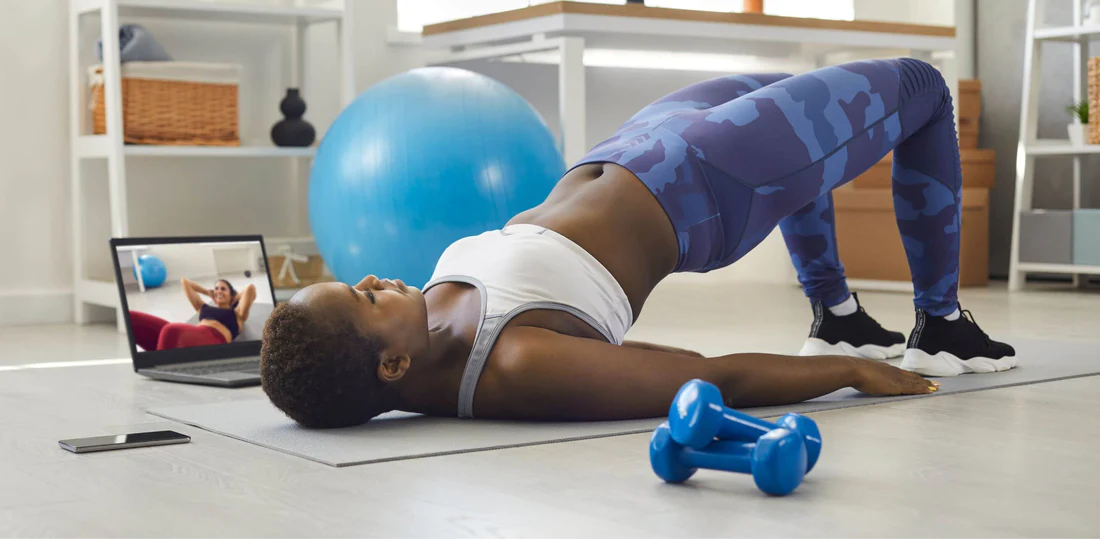
The pelvic floor plays a vital role in supporting the bladder, bowel, and reproductive organs while contributing to core stability and overall quality of life. Weak pelvic floor muscles can develop due to pregnancy, childbirth, aging, obesity, surgery, or prolonged heavy lifting. Fortunately, pelvic floor strengthening devices offer an effective way to improve muscle function, reduce symptoms of weakness, and support long-term pelvic health.
Whether you are recovering after childbirth, managing urinary leakage, or simply looking to maintain pelvic muscle strength, these devices can provide targeted assistance when used alongside proper exercises and healthy lifestyle habits.
Understanding the Pelvic Floor
The pelvic floor is a group of muscles, ligaments, and connective tissues that form a supportive hammock across the bottom of the pelvis. These muscles help control bladder and bowel function, support pelvic organs, and contribute to sexual health.
When these muscles weaken, individuals may experience:
- Stress urinary incontinence
- Pelvic organ prolapse
- Reduced core stability
- Lower back discomfort
- Decreased sexual satisfaction
- Difficulty controlling bowel movements
Strengthening these muscles is an important step toward improving everyday comfort and confidence.
What Are Pelvic Floor Strengthening Devices?
Pelvic floor strengthening devices are specially designed tools that help users train and strengthen the pelvic floor muscles more effectively than exercises alone. Some devices provide resistance, while others use biofeedback or gentle electrical stimulation to encourage proper muscle contractions.
Many healthcare professionals recommend these devices as part of a comprehensive pelvic rehabilitation program for both women and men.
Types of Pelvic Floor Strengthening Devices
Weighted Kegel Exercisers
Weighted exercisers are inserted into the vagina and require the pelvic muscles to contract naturally to keep the device in place. As muscle strength improves, users may gradually progress to heavier weights.
Benefits include:
- Increased muscle endurance
- Better bladder control
- Improved pelvic support
- Convenient home training
Biofeedback Devices
Biofeedback devices monitor pelvic muscle contractions and display performance through a smartphone app or digital monitor.
Advantages include:
- Real-time feedback
- Correct exercise technique
- Progress tracking
- Improved exercise consistency
Electrical Stimulation Devices
Electrical stimulation devices send gentle electrical impulses that activate pelvic floor muscles, especially when voluntary contractions are difficult.
These devices are commonly used during rehabilitation after childbirth or surgery under professional guidance.
Smart Pelvic Trainers
Modern smart trainers combine sensors, mobile applications, and guided exercise programs to make pelvic floor training interactive and engaging.
Users can:
- Follow personalized workouts
- Monitor strength improvements
- Receive reminders
- Track long-term progress
Who Can Benefit from Pelvic Floor Strengthening Devices?
These devices may be suitable for people experiencing:
Women
- Pregnancy-related pelvic weakness
- Postpartum recovery
- Stress urinary incontinence
- Mild pelvic organ prolapse
- Menopause-related muscle changes
Men
Men may benefit after:
- Prostate surgery
- Urinary incontinence
- Pelvic pain conditions
- Reduced pelvic muscle strength
Healthcare providers may recommend different devices depending on individual needs and medical history.
Benefits of Pelvic Floor Strengthening Devices
Consistent use of pelvic floor strengthening devices may provide several health benefits.
Improved Bladder Control
Stronger pelvic muscles better support the bladder and urethra, reducing urine leakage during coughing, sneezing, laughing, or exercise.
Better Pelvic Organ Support
Improved muscle strength helps support the bladder, uterus, and rectum, potentially reducing symptoms associated with mild pelvic organ prolapse.
Faster Postpartum Recovery
Many women experience pelvic muscle weakness after childbirth. Guided strengthening can help restore muscle tone and improve daily comfort.
Enhanced Core Stability
The pelvic floor works together with abdominal, back, and diaphragm muscles to stabilize the body’s core.
Improved Sexual Wellness
Healthy pelvic muscles may improve sensation, muscle control, and sexual satisfaction for many individuals.
Greater Confidence
Reduced leakage and better muscle control often lead to improved confidence during exercise, work, travel, and social activities.
How to Choose the Right Device
Selecting the best device depends on personal goals and health needs.
Consider the following:
- Ease of use
- Comfort during training
- Adjustable difficulty levels
- Digital tracking features
- Quality materials
- Easy cleaning and maintenance
- Medical approval where applicable
Consulting a pelvic health specialist can help identify the most suitable option.
Tips for Safe and Effective Use
To maximize results:
- Read the manufacturer’s instructions carefully.
- Practice proper hygiene before and after each use.
- Begin with shorter training sessions.
- Stay consistent with your exercise routine.
- Avoid overtraining.
- Stop using the device if you experience pain or unusual discomfort.
- Seek professional advice if symptoms worsen.
Supporting Pelvic Health Beyond Devices
While pelvic floor strengthening devices can be highly beneficial, they work best when combined with healthy habits.
Helpful lifestyle practices include:
- Maintaining a healthy body weight
- Staying physically active
- Preventing chronic constipation
- Practicing proper lifting techniques
- Managing chronic coughing
- Performing regular pelvic floor exercises
- Drinking enough water
- Eating a fiber-rich diet
These habits reduce unnecessary pressure on the pelvic floor and support long-term muscle health.
When to Consult a Healthcare Professional
Professional evaluation is recommended if you experience:
- Persistent urinary leakage
- Pelvic pressure or heaviness
- Severe pelvic pain
- Difficulty emptying the bladder
- Symptoms after surgery
- Worsening prolapse symptoms
A pelvic floor physiotherapist or healthcare provider can recommend an individualized treatment plan and determine whether a strengthening device is appropriate.
Conclusion
Pelvic floor strengthening devices have become valuable tools for improving pelvic health, supporting recovery, and enhancing quality of life. Whether used for postpartum rehabilitation, urinary incontinence management, or general pelvic wellness, these devices can help strengthen muscles that are essential for bladder control, pelvic organ support, and core stability. When combined with regular exercise, healthy lifestyle choices, and guidance from a qualified healthcare professional when needed, pelvic floor strengthening devices can play an important role in maintaining lifelong pelvic health and overall well-being.