



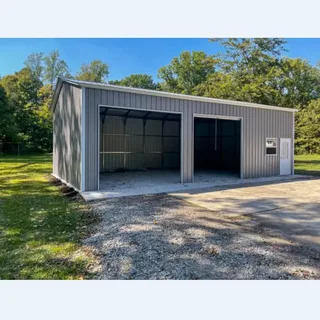
Over the past decade, the UK has seen a significant shift in how homeowners, tradespeople, and businesses choose to expand their working and storage space. Among the most popular solutions are metal workshops and garages—robust, versatile, and affordable buildings designed to withstand the British climate while providing years of dependable service.
From simple single garages to fully insulated commercial workshops, metal buildings are now used nationwide for everything from vehicle storage and DIY projects to small businesses and agricultural operations. This guide explores why these structures have become so popular in the UK, what types are available, how much they cost, and what to consider when choosing one.
-
Why Metal Workshops and Garages Are a Top Choice in the UK
Metal workshops and garages have surged in popularity due to their durability, flexibility, and excellent value. They offer a modern alternative to wooden sheds, brick garages, and older-style storage buildings.
1.1 Designed for Tough British Weather
The UK’s varied climate presents challenges for outdoor structures. Between constant rainfall, coastal winds, frosty winters, and occasional storms, many traditional buildings deteriorate quickly.
Metal workshops and garages, however, are engineered to endure:
- Heavy and persistent rainfall
- Gales and stormy winds
- Damp, moss, and mould exposure
- Frost and temperature swings
- UV exposure in summer
Steel does not rot, swell, or degrade in the way timber does, making it perfect for long-term UK use.
1.2 Low Maintenance, High Durability
Metal buildings require very little upkeep. Unlike wooden garages, which need frequent painting and treatment, steel garages remain structurally sound for decades with only basic maintenance.
Routine care usually involves:
- Washing panels once or twice a year
- Checking bolts and seals
- Clearing gutters
- Lubricating roller doors
With anti-corrosion coatings and galvanised steel frames, modern metal garages offer exceptional longevity.
1.3 Quick Assembly and Minimal Disruption
Prefabricated steel workshops and garages arrive pre-cut, pre-drilled, and ready for installation, meaning:
- Faster build times
- Lower labour costs
- Less mess and disruption
- More accurate construction
Many small and medium-sized metal garages can be fully installed in a day or two.
1.4 Versatile and Fully Customisable
One of the greatest advantages of metal buildings is the level of customisation available. You can design a workshop or garage to suit your exact requirements, including:
- Height
- Width and length
- Door style and placement
- Windows
- Insulation
- Interior layout
- Colour and finish
This flexibility makes metal workshops suitable for both domestic and commercial applications.
-
Popular Types of Metal Workshops and Garages in the UK
There are several building styles commonly used across the UK. Each type offers unique features and benefits depending on intended use.
2.1 Standard Steel-Framed Garages
The most widely used option, steel-framed garages combine strong frames with metal cladding.
Best for: car storage, garden equipment, hobby workshops
Pros: affordable, robust, quick to install
Cons: may need insulation for year-round comfort
2.2 Insulated Metal Workshops
These buildings feature insulated composite panels, making them suitable for colder months and professional work.
Best for: tradespeople, mechanics, woodworking, year-round use
Pros: reduced condensation, better temperature control
Cons: higher upfront cost
2.3 Heavy-Duty Industrial Steel Workshops
These are the most robust type of metal building, designed for demanding commercial or industrial work.
Best for: engineering, fabrication, manufacturing
Pros: wide spans, high ceilings, supports heavy machinery
Cons: larger investment required
2.4 Agricultural Steel Buildings
Designed for rural properties and farms, these buildings offer wide-open space and maximum clearance.
Best for: tractors, farm machinery, animal feed storage
Pros: excellent volume, easy access
Cons: may require larger foundations
2.5 Quonset (Arch) Buildings
Arch-shaped buildings are extremely strong and budget-friendly, though less common in the UK.
Best for: storage and agricultural use
Pros: low cost, great wind resistance
Cons: curved walls reduce internal layout flexibility
-
Planning Permission & Regulations in the UK
Before installing a metal workshop or garage, it’s important to determine whether planning permission is required. Many structures fall under Permitted Development Rights, meaning permission isn’t needed, but this depends on several factors.
3.1 When You May Not Need Planning Permission
You may be exempt if:
- The building is under 2.5m tall (or under 4m with a pitched roof)
- It’s placed behind the main house
- It takes up less than half the garden
- It’s not intended as living accommodation
- The property is not listed or in a conservation area
3.2 When Planning Permission Is Required
You are more likely to need approval if:
- The building is unusually tall
- You plan to run a business from the building
- You live in a listed property
- The garage is very close to a boundary
- The intended use may disturb neighbours
Checking with your local council or using the Planning Portal is always recommended.
-
Choosing the Right Size and Layout
Metal workshops and garages come in a huge range of sizes. When choosing dimensions, consider both current and future uses.
4.1 Common UK Sizes
Single garage: 3m × 5m
Double garage: 6m × 6m
Triple garage: 9m × 6m
Small workshop: 6m × 4m
Medium workshop: 9m × 6m
Large workshop: 12m × 9m or more
4.2 Interior Features to Consider
Depending on your needs, you may want to add:
- Workbenches
- Loft or mezzanine storage
- Partitioned rooms
- Tool racks
- Heating or electrical systems
- Vehicle lifts (requires higher ceiling clearance)
Planning the layout early ensures the building fits your long-term goals.
-
Foundations and Flooring Options
A solid foundation is essential for both stability and longevity.
5.1 Concrete Base
Most UK metal garages require a concrete slab of 100–150mm thickness.
5.2 Reinforced Flooring
If using heavy machinery, a thicker reinforced base may be needed—typically 150–200mm.
5.3 Alternative Foundations
Some smaller buildings use ground screws or timber sleepers, though these are less common in garages.
-
Benefits of Metal Workshops and Garages6.1 Exceptional Strength and Longevity
Steel workshops are engineered to last decades, resisting environmental damage far better than traditional materials.
6.2 Secure Storage
Metal garages offer superior security, especially when fitted with:
- Roller shutters
- Anti-tamper locks
- Reinforced steel personnel doors
- Alarm systems
- CCTV
6.3 Versatility Across Industries
Metal buildings are used across the UK for:
- Car repairs and detailing
- Welding and fabrication
- Woodworking
- Small business operations
- Agricultural storage
- E-commerce stock storage
- Studio or creative spaces
6.4 Expandable and Adaptable
Metal garages can easily be extended if you need more space later—a major advantage over brick buildings.
6.5 Eco-Friendly Options
Steel is recyclable, and many buildings incorporate:
- Solar panels
- Energy-efficient insulation
- LED lighting
- Rainwater harvesting systems
-
Typical Costs of Metal Workshops and Garages in the UK
Prices vary based on size, specification, and location, but here is a general overview.
7.1 Building Cost Estimates
- Single metal garage: £3,000–£7,000
- Double garage: £6,000–£12,000
- Small workshop: £5,000–£10,000
- Medium workshop: £10,000–£20,000
- Large steel workshop: £20,000–£60,000+
7.2 Installation Costs
Professional installation typically ranges from £400–£1,800.
7.3 Concrete Base Costs
Expect £80–£150 per m², depending on thickness and reinforcement.
7.4 Optional Upgrades
- Insulated panels: £800–£5,000
- Electric roller door: £500–£1,900
- Windows: £150–£600 each
- Electrics: £300–£2,000
- Interior walls: £300–£1,000+
-
Installation Process in the UKStep 1: Initial Planning
Determine size, style, and location.
Step 2: Ground Preparation
Clear and level the site.
Step 3: Base Installation
Pour and cure the concrete foundation.
Step 4: Delivery and Assembly
Install frames, cladding, roofing, doors, and trims.
Step 5: Finishing Touches
Add insulation, electrical work, windows, and internal features.
Most installations take between several hours and two days depending on size.
-
Customisation Options9.1 Exterior Options
- Cladding colours
- Wood-effect metal panels
- Skylights
- Gutters and downpipes
- Lean-to extensions
9.2 Interior Upgrades
- Partition walls
- Insulated panels
- Workbenches
- Shelving
- Storage lofts
9.3 Smart Enhancements
- Remote-controlled roller doors
- Security alarms
- Wi-Fi systems
- LED lighting
- Smart heating
- Maintenance Tips for Long-Term Performance
- Rinse the cladding to prevent dirt and grime buildup
- Lubricate hinges and door mechanisms
- Check sealants annually
- Clear gutters regularly
- Inspect for any scratches in protective coatings
Proper care ensures your building remains strong and weather-resistant for decades.
Conclusion
Metal workshops and garages are a smart choice for anyone seeking durable, secure, and affordable extra space in the UK. Designed to withstand challenging weather and built to last, they provide an excellent alternative to timber and brick structures. Whether you’re storing vehicles, running a small business, or creating a dedicated workspace, steel buildings offer unmatched value and flexibility.
With a wide range of sizes, insulation options, and custom features available, metal workshops and garages can be tailored to suit virtually any requirement—making them one of the most reliable investments for British homeowners and professionals.
