



Introduction
Deciphering the Dynamics of Domestic Waste Disposal: Garbage Disposals and Septic Tanks
In our quest for seamless home functionality, two key components often cross our path – garbage disposals and septic tanks. These seemingly disparate entities are indeed integral to the health of your home’s plumbing systems.
Garbage disposals, typically electrically-operated devices installed under kitchen sinks between the sink’s drain and trap, play a crucial role in pulverizing food scraps into tiny parts. This process helps ensure that these leftovers pass smoothly through the plumbing without causing any blockages.
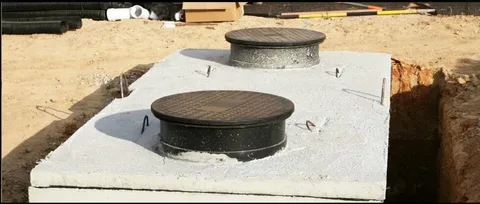
Septic tanks, on the other hand, are usually located outside your house and remain part of your primary home wastewater treatment system. These buried units treat wastewater from households not connected to a municipal sewer line by separating solids from liquids, initiating bacterial breakdown of organic matter and allowing for water to percolate back into local groundwater reserves.
The Significance of Understanding Their Interplay
While both garbage disposals and septic tanks individually enhance domestic waste management, understanding their inevitable interplay is fundamental in maintaining an efficient household waste system. The output from garbage disposals invariably finds its way into septic tanks; hence any malpractice in using garbage disposal can lead to repercussions within the septic tank system as well.
The relationship between these two systems is complex yet indispensable; it involves an intricate balance that ensures effective waste decomposition without overburdening either system. Learning how they mutually affect each other can prevent potential problems such as clogs or overloads in your septic tank caused by inappropriate use or overuse of garbage disposal.
Garnering Insights for Efficient Home Management
Recognizing the inter-relationship between garbage disposals and septic tanks can facilitate more informed decisions pertaining to everyday waste management in households. It empowers homeowners to optimize the use of their garbage disposals, realizing how its misuse can potentially strain septic tanks and result in costly repairs or even total replacement. Understanding this symbiotic relationship also allows for the implementation of best practices that would contribute to maintaining and enhancing the efficiency of both systems.
Thus, not only does it enable a healthier home environment but also promotes sustainable waste management principles. In essence, understanding the intricate connection between garbage disposals and septic tanks is crucial in achieving a well-maintained home and a greener planet.
Understanding Garbage Disposals
The Evolution of Garbage Disposals: A Historical Perspective
The advent of garbage disposals marked a significant stride in domestic waste management. This ingenious invention was introduced to households in the late 1920s, courtesy of architect John W. Hammes.
Initially, these appliances were not universally accepted due to concerns about sewer blockages and potential health risks. However, with improved technology and rigorous public health campaigns, garbage disposals eventually became a core component of modern kitchens by the mid-20th century.
Garbage disposals experienced continual evolution over the decades. The initial models were quite rudimentary, but as technological advancements unfolded, so did the complexity and efficiency of these gadgets.
Modern day garbage disposals are not only more powerful but safer and more eco-friendly than their predecessors. Today’s disposal units feature an array of additional components designed for increased convenience and effectiveness including anti-jamming mechanisms, sound shields for noise reduction, and auto-reverse modes to enhance grinding efficiency.
The Mechanics Behind Garbage Disposals: An In-depth Look
A garbage disposal operates on a relatively straightforward principle that is masked by intricate mechanics. When food waste enters the disposal chamber through your sink drain it encounters a shredding system – this is where the magic happens.
The grinding mechanism constitutes a shredder ring with impellers (swiveling lugs) attached to its inner surface coupled with a rotating plate equipped with similar impellers beneath it. These components work in harmony when you flip on your disposal unit; spinning at high velocity they forcefully thrust food particles against the shredder ring causing them to disintegrate into minute particles that can safely traverse your plumbing system without causing blockages.
Subsequent to this grinding process is the drainage stage which ushers these minute food particles out of your kitchen ecosystem into municipal wastewater systems or septic tanks. The drainage system comprises a sink flange and mounting assembly that holds and connects the garbage disposal to the underside of your sink, a dishwasher inlet for waste water from your dishwasher, and a discharge tube through which waste exits the garbage disposal into your home’s wastewater plumbing.
Appropriate Waste for Garbage Disposals: Navigating Do’s and Don’ts
While garbage disposals are undeniably efficient at managing food waste, they are not designed to handle all types of waste indiscriminately. Understanding what is suitable waste for your disposal unit is crucial to ensuring its longevity and efficacy. Organic food scraps such as vegetable peelings, fruit scraps, coffee grounds, eggshells, meat bones (but only small ones), and bread can be safely ground in garbage disposals.
These materials can be effectively broken down by the grinding mechanism without causing undue stress on the motor or blades. Conversely, non-biodegradable items like plastic wrappers, metal objects, glass shards or fibrous materials like corn husks or artichokes should not be tossed into garbage disposals due to their inherent toughness which poses challenges to the grinding process.
Similarly fats, oils and grease can over time accumulate inside a garbage disposal leading potentially to clogs within your plumbing system. It’s important therefore that users operate their disposal units with discernment.
Delving into the Depths: Understanding Septic Tanks
The Concept Behind Septic Tanks: An Overview
A septic tank is a critical component of the wastewater system, particularly for properties located in rural areas that lack access to municipal sewer networks. This subterranean structure is designed to manage household waste in an efficient and environmentally-friendly manner. The concept behind its operation revolves around the principles of sedimentation and anaerobic processes.
The septic tank serves as a solitary repository for all wastewater emerging from a home, including bathrooms and kitchens. Its primary purpose is to segregate solid waste from liquid effluents through the process of sedimentation.
Over time, bacteria within the tank decompose organic matter present in the solid waste—an anaerobic process that results in reduced volume and minimized potential hazards. The remaining undigested solids, known as sludge, settle at the bottom of the tank until eventually removed during routine maintenance.
How Septic Tanks Work: The Process
To appreciate the influence garbage disposals might have on septic tanks, one must first understand their intricate workings. These self-contained wastewater treatment systems are constructed with simplicity and sustainability at their core.
Wastewater Treatment Process
All household wastewater flows into the septic tank where it undergoes a three-stage treatment process. Initially, heavier solids sink to form a sludge layer while lighter materials like oils float creating a scum layer.
Between these two layers exists clarified water termed ‘effluent’. This effluent naturally percolates into surrounding soil in drain fields—providing an on-site treatment solution that reduces pollutants before they reach groundwater.
In addition to physical separation during sedimentation, chemical reactions occur courtesy of naturally-occurring bacteria. These microbes break down a portion of the organic material present, transforming potential pollutants into benign substances.
Solid Waste Decomposition
The process of solid waste decomposition within septic tanks is nuanced and fascinating. The anaerobic bacteria in the tank function to break down or digest the organic matter in the sludge layer. This biological activity results in byproducts like carbon dioxide, methane, and trace amounts of other gases.
This biochemical process not only reduces the volume of solid deposits but also neutralizes potentially harmful components. However, it’s worth noting that this digestion is never complete; some fraction of indigestible material always remains as sludge that must be pumped out periodically to ensure optimal functioning.
Plumbing Nightmares: Common Problems Associated with Septic Tanks
When maintained correctly, septic systems can serve a property efficiently for years. However, these systems aren’t without their issues—many of which stem from misuse or neglect.
A common problem associated with septic tanks is overloading caused by excessive water use or disposal of inappropriate items into the system. Overloading can lead to an overflow of untreated wastewater which can contaminate ground and surface water sources—a serious health hazard.
Another typical issue is structural damage due to roots intrusion or heavy vehicles passing over the tank area. Such damages can result in leaks, leading again to contamination risks.
Poor maintenance often culminates in blocked inlet pipes or a build-up of scum and sludge layers beyond acceptable levels—disrupting normal operations and potentially causing backflows into household plumbing fixtures. These situations can necessitate significant repair costs and pose environmental risks due to untreated sewage leakage.
The Relationship between Garbage Disposals and Septic Tanks
A Synergistic Yet Complex Alliance
The relationship between garbage disposals and septic tanks is a synergistic yet complex one. Both entities function within the larger context of waste management in households, but they interact in ways that can significantly affect each other’s performance.
Essentially, the connection between these systems lies in the nature of their operation – garbage disposals grind kitchen waste into minute particles which then move through plumbing systems into septic tanks for treatment. Garbage disposals serve as an initial stage in waste processing.
The finely ground particles they produce allow for easier transport and breakdown of organic matter. On the other hand, septic tanks represent a later phase where these particles are decomposed by bacterial action to reduce their volume significantly.
It’s this sequence of events that forms the underlying connection between garbage disposals and septic tanks. However, despite this operational synergy, there exists a realm where conflicts may arise due to inconsistencies in usage patterns or maintenance practices – hence necessitating a thorough understanding of how one influences the other.
Impact on Septic Tank Functionality: A Matter of Load
Garbage disposals can have substantial effects on septic tank functionality, primarily as it concerns increased solid waste load. In regular circumstances without an installed disposal unit, a typical household produces organic waste that enters its septic system at manageable rates – allowing bacteria sufficient time to decompose solids before new loads are introduced. Introducing a garbage disposal changes this dynamic considerably.
The device allows substantial amounts of organic matter – including harder-to-break-down items such as vegetable peels and meat bones – to be processed and sent into the tank rapidly. This heightened influx can result in overloading if not properly managed, causing potential issues such as clogging or backflow due to slow decomposition rates relative to intake.
Moreover, even though some materials may pass through the disposal’s grinding mechanism, they still retain properties that make them difficult to break down biologically. This can lead to an accumulation of indigestible solids in the tank – a situation that necessitates more frequent pumping to alleviate.
Altering the Bacterial Balance: A Microscopic Consideration
Apart from load issues, garbage disposals can also influence the essential bacterial balance within septic tanks. In its natural state, a septic system maintains a delicate balance of bacteria necessary for waste decomposition.
Altering this balance can disrupt the process and significantly reduce the tank’s effectiveness. The introduction of ground waste from garbage disposals significantly increases organic material in the wastewater – a situation that could potentially overload bacteria and disrupt their functional equilibrium.
Furthermore, certain types of waste processed by disposals could contain substances harmful to these bacteria or hinder their growth – inhibiting overall decomposition rates as a consequence. In addition, if excessive amounts of grease or fat enter the system via disposal units (a common misuse scenario), it could lead to layers of hard-to-digest scum buildup within the tank.
This not only reduces effective capacity but also poses potential hazards for clogging and backflow scenarios – further impacting bacterial populations negatively. In sum, while garbage disposals can be beneficial for kitchen convenience and initial waste processing steps, improper usage or lack of awareness about their impact on subsequent septic systems can create substantial challenges for homeowners over time.
The Unseen Aftermath: The Impact of Improper Use of Garbage Disposals on Septic Tanks
Garbage disposals, while helpful in managing kitchen waste, can pose substantial challenges to the operational integrity of your septic system if misused. The common misuse practices discussed here are not always immediately evident but can lead to long-term damage that may cost homeowners considerable time and expense.
The first common misuse involves disposing of non-biodegradable items via the garbage disposal. This includes plastics, glass, or metals, which not only risk damaging the disposal unit itself but also add material to the septic tank that it cannot effectively break down.
Similarly detrimental is the disposal of fibrous or stringy organic matter such as corn husks or celery stalks – they’re biodegradable but their tough fibers can wrap around and jam the mechanical components in the disposal. Another prevalent practice is overloading garbage disposals with excessive amounts of food waste at once.
Doing so hampers its efficacy in grinding waste into small particles and puts unnecessary strain on both the garbage disposal and septic system as larger chunks are harder for bacteria in tank to decompose. Also detrimental is frequent use without adequate flushing water; water serves both to cool motor components during operation and transport ground waste along drain pipes into septic tank.
The Hidden Costs: Detailed Consequences on Septic Tank Performance and Lifespan
The effect these improper practices have on septic tanks is usually slow but insidious, leading over time to decreased performance and potential failure of your septic system. Overabundance of undecomposed solid materials increases frequency with which septic tank needs pumping – an avoidable expense if garbage disposals are used responsibly.
When non-biodegradable materials enter a septic tank through a garbage disposal, they settle at bottom forming an impermeable layer that impedes normal function. They also reduce the tank’s capacity and cause backup of sludge into drain field, potentially contaminating surrounding soil and water sources.
Moreover, these materials can damage pumps used during septic tank servicing. The consequences of overloading the system with excessive organic waste are twofold – it adds to the solid waste load on the septic tank, and it can upset the delicate bacterial balance needed for efficient breakdown of organic materials.
This imbalance often results in slow drainage, foul odors or even backflow into your home. In more extreme cases, this could lead to premature failure of your septic system – a costly predicament that requires significant time and resources to resolve.
Best Practices for Harmonious Co-existence: Garbage Disposal and Your Septic Tank
An Overview of Prudent Usage Habits
Firstly, the key to a blissful symbiosis between your garbage disposal and septic tank is mindfulness. Frequent awareness about what goes down the drain can make a significant difference. Remind every household member that not all food waste belong in the garbage disposal.
The system isn’t an alternative trash can, but rather a convenience device designed to handle minimal amounts of organic waste that inadvertently end up in the sink. Furthermore, establish regular checks on your septic tank’s health.
It’s wise to know its capacity, how much it has been filled, and when it needs to be pumped out. This knowledge will enable more controlled use of your garbage disposal and prevent unanticipated complications arising from overuse.
Avoid using both systems simultaneously to their maximum capacity. For example, running your dishwasher-which is another major contributor to wastewater-at the same time you’re using your garbage disposal can overwhelm your septic tank.
The Sinister Seven: Food Wastes To Shun
Not all food wastes are created equal in the eyes of a garbage disposal or septic system. High fiber foods like corn husks or celery stalks are enemies number one; they produce fibers that may tangle around the blades of your garbage disposal, causing blockage.
Next on our list are grease and oil—seeming harmless liquids when hot but as they cool down they solidify leading to clogs in both systems. Equally harmful are coffee grounds which seem small but accumulate over time causing sediment build-up obstructing drainage pipes.
Then we have bones and fruit pits—hard substances that refuse to break down easily even under vigorous grinding thereby risking damage to your disposal unit. Also avoid pasta, rice, and starchy vegetables, which swell when mixed with water and form a thick paste capable of causing blockages.
Eggshells, contrary to popular belief, do not sharpen the blades but their inner membrane layers can wrap around the shredder ring leading to potential clogs. Also, avoid non-biodegradable materials such as plastic or paper.
Guiding Parameters: Frequency and Volume Considerations
While garbage disposals are equipped to handle waste on a regular basis, moderation is crucial. Excessive usage can accelerate wear and tear on both the disposal unit and your septic system. It’s best to use it sparingly—perhaps only for cleaning up after meals rather than during food preparation.
Moreover, one must be cognizant of the volume of food waste being fed into the disposal at any given time. Overloading it with large quantities all at once could not only risk jamming the unit but also inundate your septic tank with more waste than it can adequately manage in a short timeframe.
Make it a habit to run cold water both before and after using your garbage disposal. This helps maintain blade sharpness and ensures that all ground-up food particles are flushed out of the system preventing build-up within pipes.
Maintaining Vigor: Tips for Optimal System Health
A well-maintained garbage disposal is less likely to put unnecessary stress on your septic system. Regular maintenance includes keeping blades sharp which you can achieve by occasionally grinding ice cubes thus ensuring efficient grinding of waste.
Cleaning your garbage disposal regularly also contributes towards its longevity minimizing strain on your septic tank.You can do this by using dish soap and cold water or creating a simple vinegar and baking soda solution for deep cleaning.Running citrus peels through it not only deodorizes but also helps break up any accumulated grease or sludge. As for your septic tank,a regular professional inspection—at least once every three years—is recommended to determine when pumping is necessary.
Bear in mind the frequency of pumping may increase with higher garbage disposal usage. Regular septic tank additives can also help maintain a healthy balance of bacteria for optimal waste breakdown.
The Role of Modern Technology in Mitigating Impact
Advancements in Garbage Disposal Design to Reduce Impact on Septic Systems
The symbiosis between modern technology and green advocacy has instigated a radical transformation in the design of garbage disposals. This transformation aims at mitigating the deleterious impact these disposals can have on septic systems. Contemporary garbage disposal units come equipped with advanced grinding systems that pulverize food waste into fine particles that are easily soluble, thereby reducing the accumulation of solid waste in your septic tank.
In addition, there are significant advancements aimed at conserving water, one of Earth’s most precious resources. These cutting-edge garbage disposals utilize less water during operation; a welcome attribute given that overuse can disrupt the delicate balance within septic tanks leading to premature failure.
Also noteworthy is the revolutionary auto-reverse feature found in some sophisticated models. This feature allows for periodic reversing of spin direction which prevents jamming and ensures more thorough grinding of food waste, further reducing the potential for clogging or damaging your septic system.
Septic-Assist Disposals
A pioneering development aimed at safeguarding your septic system is the advent of septic-assist garbage disposals. These clever contrivances incorporate a bio-charge injector that releases microorganisms into each grind cycle. The microorganisms produce enzymes that break down food waste into smaller particles before they reach your septic tank.
Furthermore, these specialized disposals have additional features such as noise reduction technology for a quieter operation and an anti-jamming function to ensure smooth disposal process without disrupting your home tranquillity. The use of septic-assist garbage disposals represents an intelligent blending of biological science and mechanical engineering to not only protect but also enhance our environment by promoting recycling and efficient waste management.
High-Efficiency Garbage Disposals
The modern marketplace is also witnessing the rise of high-efficiency garbage disposals. These devices, engineered for optimal performance, are designed with powerful motors that grind food waste faster and more efficiently thereby reducing strain on your septic system. Importantly, these high-efficiency models also come designed for energy conservation.
They use less power in comparison to their traditional counterparts, ensuring energy savings in addition to effective waste management which is a cornerstone for sustainable living in today’s world. Given the inherent durability built into these efficient models by virtue of superior materials and construction techniques used, they offer an extended lifespan thus lowering the cost of periodic replacements and ancillary environmental impacts.
Conclusion
In our rapidly evolving world where technology is a potent tool for problem-solving, it’s inspiring to see its transformative role in managing residential waste disposal. Strides have been made in developing garbage disposals that are not only efficient but also septic-friendly and environmentally responsible. These innovations embody a hopeful future where harmony between our lifestyle conveniences and the health of our environment isn’t merely an idealistic dream but a practical reality.
