



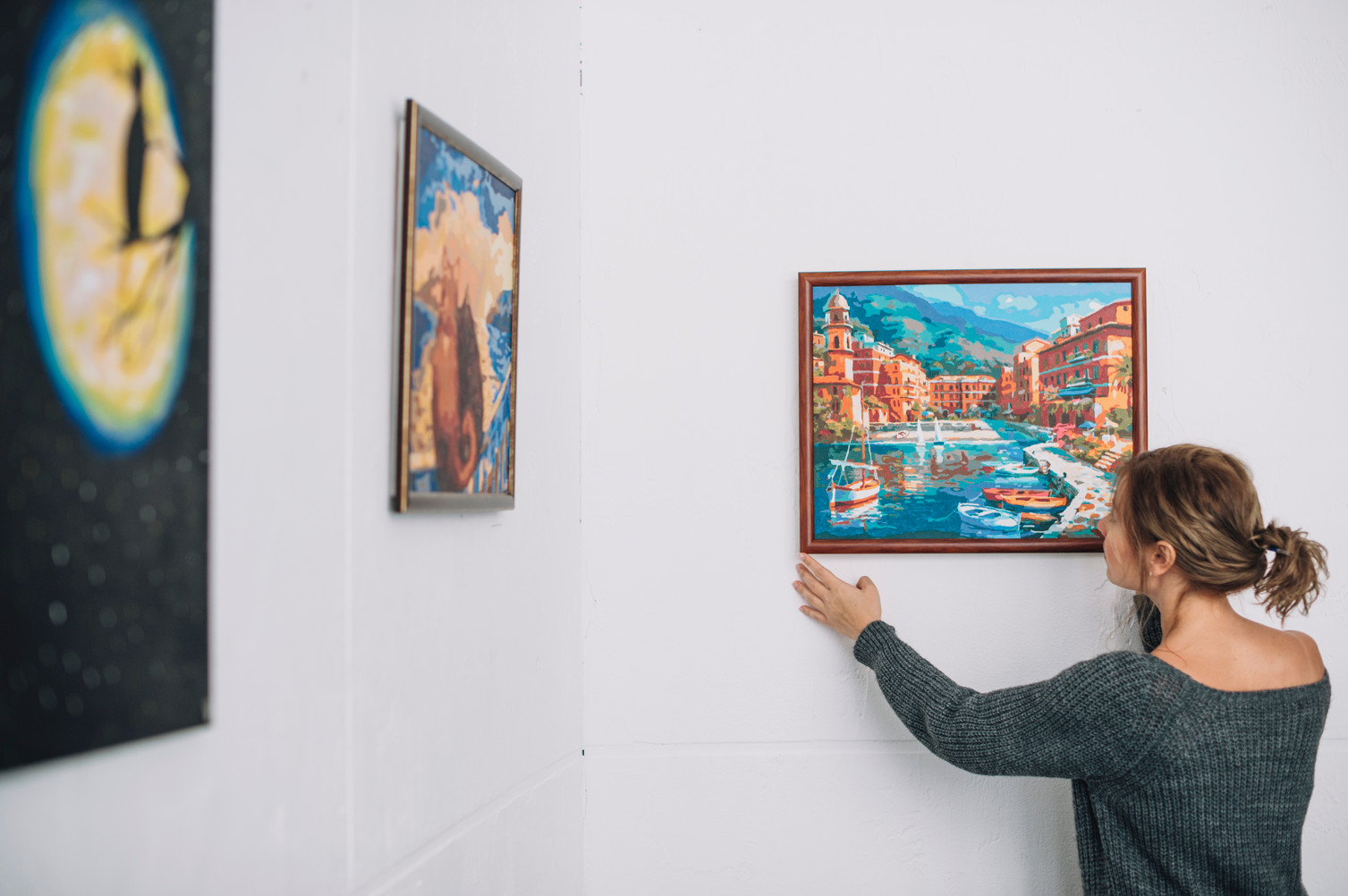
Interior design has evolved beyond simply arranging furniture and selecting color palettes. Today’s most compelling spaces incorporate art installations as integral design elements, transforming ordinary rooms into extraordinary experiences. When thoughtfully executed, art installations don’t just decorate walls; they define atmospheres, guide conversations, and elevate the entire aesthetic of a space.
In this blog post, we’ll explore how art installation elevates interior design. Read on!
Creating Focal Points That Command Attention
Art installations serve as powerful anchors within interior spaces, immediately drawing the eye and establishing visual hierarchy. A striking sculpture in an entryway or a large-scale painting above a fireplace becomes the room’s centerpiece, giving guests a clear sense of where to focus their attention. This intentional placement helps organize the visual flow of a space, preventing rooms from feeling chaotic or directionless. Unlike smaller decorative pieces that can get lost in a busy environment, substantial art installations make bold statements that define the character of an entire room.
Expressing Personal Identity Through Visual Narrative
The art you choose to install speaks volumes about who you are and what you value. Whether you gravitate toward abstract expressionism, cultural artifacts, or contemporary mixed media, your selections create a visual autobiography that guests can read and appreciate. Art installations become conversation starters, revealing your travels, passions, and aesthetic sensibilities in ways that conventional decor simply cannot achieve. This personal touch transforms generic living spaces into unique environments that feel authentically yours, making your home truly distinctive rather than a replica of showroom displays.
Influencing Mood and Atmosphere
Color, form, and subject matter in art installations directly impact the emotional tenor of a space. Soft, muted watercolors can instill tranquility in a bedroom, while vibrant, energetic pieces can invigorate a home office or creative studio. Large-scale installations with sweeping lines can make rooms feel more expansive, whereas intimate portraits can create cozy, contemplative corners. The psychological effects of art are well-documented, and strategic installation allows you to engineer specific emotional responses, whether you want spaces that feel calming, inspiring, energizing, or contemplative.
Balancing Scale and Proportion
Art installations help solve one of interior design’s most challenging puzzles: creating proper scale relationships within a space. A soaring ceiling demands artwork of corresponding magnitude, while intimate nooks call for more modest pieces. Installations can visually lower tall ceilings, widen narrow corridors, or add weight to spaces that feel too airy. This functional aspect of art placement goes beyond aesthetics, addressing fundamental spatial concerns while simultaneously beautifying the environment.
Bridging Architectural Elements
Thoughtfully placed art installations can harmonize disparate architectural features, creating cohesion in spaces with multiple doorways, windows, or structural oddities. A gallery wall can unite a series of small windows, while a horizontal installation can emphasize the linear quality of modern architecture. Art becomes the connective tissue between furniture, fixtures, and architectural details, ensuring that all elements within a room feel intentionally related rather than accidentally assembled.
Enhancing Lighting and Dimension
Art installations interact dynamically with light sources, whether natural or artificial, adding layers of visual complexity to interior spaces. Textured canvases catch shadows throughout the day, creating ever-changing displays. Metallic elements in sculptures reflect light, brightening darker corners. Strategic placement near windows or under spotlights can transform flat walls into dimensional features, proving that art doesn’t just occupy space; it actively shapes how we perceive it.
Integrating art installations into your interior design isn’t just about filling empty walls; it’s about crafting spaces that resonate with meaning and aesthetic purpose. The right pieces can completely transform how a room feels and functions, turning your home into a curated environment that tells your story. While selecting artwork can be deeply personal and rewarding, the technical aspects of installation—from proper mounting and lighting to spatial planning and preservation—often require specialized expertise.
If you’re ready to elevate your interior spaces through thoughtful art installation, consider reaching out to professionals, such as those from The Chessler Company, who can help you realize your vision. Experienced installers and design consultants can assess your space, recommend placement strategies, and ensure your artwork is displayed safely and beautifully for years to come.
