



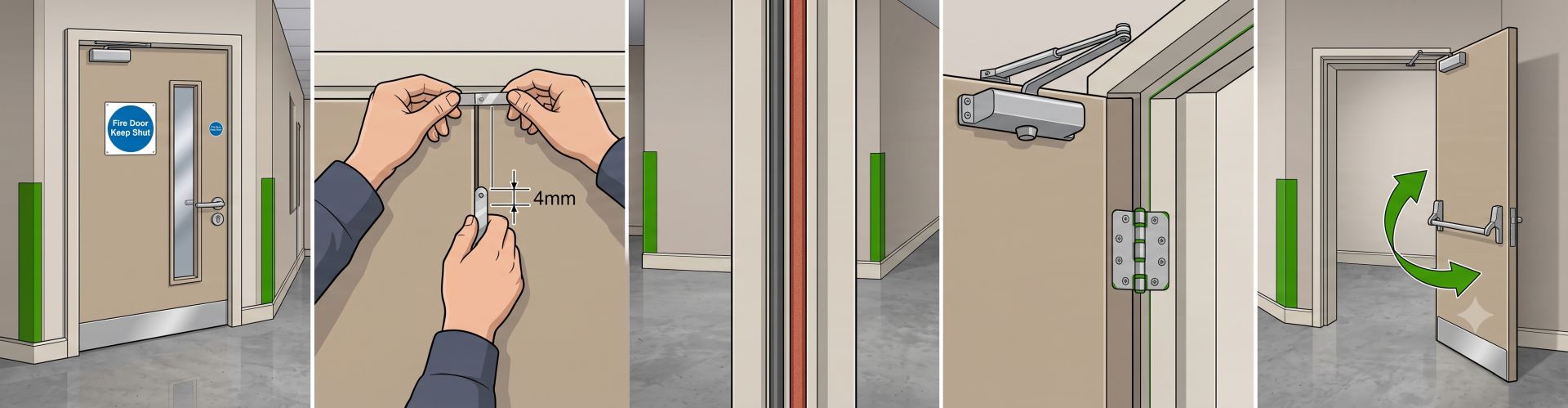
Fire safety is one of the most important considerations in any residential or commercial building. Doors play a significant role in protecting people and property during an emergency, especially when they are designed to resist the spread of fire and smoke. However, simply having a fire-rated door installed does not automatically guarantee that it will provide the expected level of protection. Its condition, installation, hardware, and maintenance all affect its performance.
Knowing how to inspect Fire rated interior doors can help homeowners, property managers, and building professionals identify potential safety problems before they become serious risks. Regular inspections also help ensure that the door can perform its intended function when it matters most.
1. Check the Fire Rating Label
The first step in determining whether a fire-rated door is safe is checking its certification label. Most certified fire doors have a label or identification mark attached to the door or frame. This label typically provides important information about the door’s fire-resistance rating, manufacturer, and certification.
Common fire-resistance ratings include 20, 30, 45, 60, and 90 minutes, although available ratings depend on local building regulations and the door assembly. The rating indicates how long the tested assembly is designed to resist fire under specified testing conditions.
Make sure the label is visible, readable, and has not been removed or damaged. If you cannot find certification information, contact the manufacturer or a qualified fire-door inspector to verify the product’s specifications.
2. Inspect the Door for Visible Damage
Physical damage can reduce a fire door’s ability to provide reliable protection. Carefully examine both sides of the door for cracks, holes, deep scratches, warping, or damaged edges.
Pay particular attention to the areas around the hinges, lock, handle, and bottom of the door. Even relatively small modifications can affect the door’s fire-resistance performance if they compromise its tested construction.
Look for signs of water damage, swelling, peeling materials, or deterioration. These problems may affect how the door fits inside its frame or prevent it from closing correctly.
If you notice significant damage, avoid attempting an ordinary repair without professional guidance. A qualified specialist can determine whether the door can be repaired using approved methods or needs replacement.
3. Make Sure the Door Closes and Latches Properly
A fire-rated door must be able to close completely to perform its protective function. If it remains partially open, even a certified door may fail to restrict the movement of smoke and fire as intended.
Open the door and allow it to close naturally. Observe whether it moves smoothly toward the frame and closes without assistance. Check that the latch engages securely and keeps the door in its closed position.
If the door stops before reaching the frame, swings back open, or requires someone to push it shut, investigate the cause. Possible problems include damaged hinges, incorrect alignment, a faulty door closer, or an obstructed frame.
Never rely on wedges, doorstops, or other objects to hold a fire door open unless an approved automatic release system is installed and functioning correctly.
4. Examine the Gaps Around the Door
The spaces between a fire door and its frame are important because excessive gaps can allow smoke and heat to pass through more easily. During an inspection, examine the gaps along the top, sides, and bottom of the door.
The acceptable gap depends on the door’s certification, installation instructions, and applicable fire-safety standards. As a general reference, many conventional fire-door installations use relatively small perimeter gaps, often around 2–4 mm at the sides and top. However, these measurements should never replace the manufacturer’s approved specifications.
Pay special attention to the gap underneath the door. Some installations require an appropriate threshold or a specific clearance to accommodate flooring and ventilation requirements.
If the gaps appear uneven or unusually large, the door may need professional adjustment. Avoid trimming or altering the door yourself because doing so could invalidate its certification.
5. Inspect the Hinges and Other Hardware
Fire-rated doors depend on suitable hardware to remain secure and operate correctly during everyday use and an emergency. Examine the hinges for loose screws, corrosion, missing components, or signs of wear.
Check that the hinges are firmly attached to both the door and frame. The door should not sag, drag against the floor, or become difficult to operate.
Also inspect the handles, locks, latches, and other installed components. These items should be compatible with the door’s fire certification and should not have been replaced with unsuitable alternatives.
Using ordinary hardware instead of approved fire-door components can compromise the performance of the complete door assembly. If any component appears damaged or loose, have it assessed by a qualified professional.
6. Check the Intumescent Seals and Smoke Seals
Seals are essential components of many fire-rated door assemblies. Intumescent seals expand when exposed to high temperatures, helping close gaps between the door and frame. Smoke seals, meanwhile, are designed to restrict the passage of smoke during the early stages of a fire.
Inspect the seals around the door edges and frame. Look for missing sections, peeling adhesive, cracks, cuts, or signs of deterioration.
Make sure the seals are continuous and correctly positioned according to the manufacturer’s installation instructions. Check that paint, dust, or other materials have not covered or damaged them.
If a seal is missing or damaged, replace it with a compatible product specified for the particular fire-door assembly. Choosing the wrong seal can affect the door’s tested performance.
7. Test the Door Closer
A functioning door closer helps ensure that a fire-rated door returns to its closed position after someone passes through it. Without an effective closer, the door may remain open and provide less protection during a fire.
Open the door to a normal operating position and release it. Observe whether the closer brings the door back to the frame smoothly and allows the latch to engage.
Look for oil leaks, unusual noises, loose mounting screws, or inconsistent movement. These can indicate that the closer needs maintenance or replacement.
Do not disconnect, remove, or adjust the closer without understanding the manufacturer’s instructions. A qualified technician should carry out repairs when necessary to maintain the door’s safety and certification requirements.
8. Look for Unauthorized Modifications
Changes made after installation can seriously affect the safety of a fire-rated door. Drilling additional holes, installing unsuitable locks, cutting ventilation openings, or attaching decorative materials may compromise its fire-resistant construction.
Check whether anyone has modified the door or frame since it was installed. Pay attention to additional screws, replacement hardware, electrical cables, ventilation grilles, or other alterations.
Even if a modification looks harmless, it may not be permitted under the door’s certification. Any changes should be assessed by the manufacturer or a competent fire-door professional before the door continues to be relied upon for fire protection.
9. Make Sure the Frame Is in Good Condition
A fire-rated door cannot provide its intended protection if the surrounding frame is damaged or incorrectly installed. The door and frame work together as a complete fire-resistant assembly.
Inspect the frame for cracks, loose fixings, missing sections, signs of movement, and deterioration. Check that the frame is securely attached to the surrounding wall and that the joints are properly finished using approved materials.
Look for gaps between the frame and wall, especially around the upper corners and sides. Incorrect installation or damaged fire-stopping materials can create openings through which fire and smoke may spread.
If the frame appears unstable or damaged, arrange a professional inspection rather than attempting an improvised repair.
10. Arrange Professional Fire Door Inspections
Although basic visual checks can help identify common problems, some defects require specialist knowledge and equipment. A professional fire-door inspector can assess whether the door, frame, seals, hardware, and installation meet the relevant safety requirements.
A professional inspection may include checking certification records, measuring clearances, examining the door’s construction, testing the closer and latch, and identifying unauthorized modifications.
The frequency of inspections should follow local fire regulations, building requirements, manufacturer recommendations, and the building’s risk assessment. High-traffic buildings may require more frequent checks because their doors experience greater everyday wear.
Keep written inspection records, including identified defects, maintenance work, and replacement details. This documentation makes it easier to monitor the condition of the door over time.
Common Warning Signs That Your Fire Rated Door May Be Unsafe
Some problems are easy to overlook during everyday use but can indicate that a fire-rated door needs immediate attention.
Important warning signs include:
- A missing or unreadable certification label.
- Cracks, holes, or significant damage to the door surface.
- A door that does not close completely.
- A latch that fails to engage properly.
- Excessive or uneven gaps around the door.
- Missing, damaged, or incorrectly installed seals.
- Loose hinges or unsuitable replacement hardware.
- A faulty or disconnected door closer.
- Unauthorized drilling, trimming, or modifications.
- Damage to the surrounding frame or wall connections.
If any of these problems are identified, arrange an assessment by a qualified professional. Do not assume that a door is safe simply because it looks solid or still opens and closes.
How to Maintain Fire Rated Interior Doors for Long-Term Safety
Regular maintenance is essential for keeping fire doors in reliable working condition. Start by including them in your building’s routine safety inspection schedule. Check their surfaces, hinges, closers, locks, seals, and surrounding frames.
Keep the door and its frame clean, and avoid using harsh chemicals that could damage protective finishes or seals. Make sure the door’s closing path remains clear of furniture, storage boxes, and other obstructions.
Educate household members, employees, and building occupants about the importance of keeping fire doors closed. Never allow people to remove seals, replace hardware without approval, or make unauthorized alterations.
When repairs are required, use compatible components and follow the manufacturer’s specifications. Proper maintenance helps preserve the door’s performance and reduces the likelihood of unexpected problems.
Why Regular Fire Door Checks Matter
Fire-rated doors are designed to help contain fire and smoke, protect escape routes, and provide additional time for occupants to evacuate safely. However, their effectiveness depends on the condition of the complete assembly rather than the door panel alone.
Routine inspections help identify small problems before they develop into major safety concerns. They can also help property owners meet relevant building and fire-safety obligations while protecting occupants and valuable property.
Investing in suitable maintenance and professional inspections is a practical way to support long-term building safety.
Conclusion
Checking whether a fire-rated door is safe involves more than confirming that it has a fire-rating label. Its physical condition, frame, seals, hinges, hardware, clearances, and closing mechanism must all be examined to ensure that the complete assembly remains suitable for its intended purpose.
Fire rated interior doors should be inspected regularly and maintained according to their certification requirements and local fire-safety regulations. By recognizing warning signs, avoiding unauthorized modifications, and arranging professional assessments when necessary, property owners can help ensure that their fire doors remain dependable when an emergency occurs.
A properly maintained fire door is an important part of a building’s overall fire-protection strategy and can make a meaningful difference in protecting lives and property.