



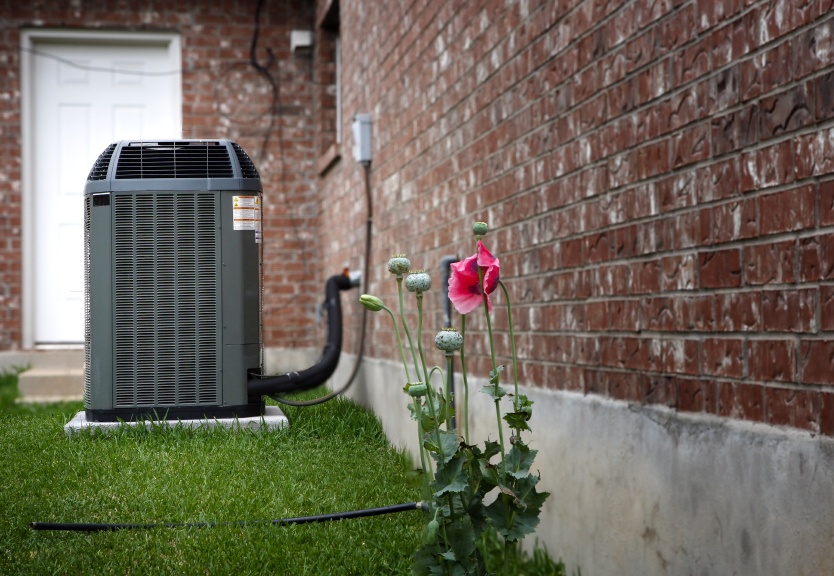
When a home struggles to stay comfortable, the air conditioner often gets blamed first. But producing cooled air is only half the job. That air also has to move efficiently through the HVAC system and reach the rooms where people actually live.
For homeowners, understanding the connection between equipment, ductwork, vents, and airflow can make it easier to identify comfort problems and make smarter decisions about HVAC maintenance.
Your HVAC System Is More Than One Piece of Equipment
Most residential HVAC systems operate as interconnected components rather than a single appliance. The cooling equipment conditions the air, while the blower and duct system distribute it throughout the home.
When everything works properly, rooms should receive enough conditioned air to maintain reasonably consistent temperatures. When something interferes with that process, homeowners may experience warm rooms, weak airflow, excessive dust, unusual noises, or longer cooling cycles.
The problem is that these symptoms can resemble an equipment failure even when the air conditioner itself is still capable of cooling.
For example, imagine that an AC unit produces cold air but damaged ductwork allows a portion of that air to escape into an attic. The homeowner may respond by lowering the thermostat because the living space still feels warm. The equipment then runs longer trying to reach the requested temperature.
Addressing comfort problems therefore requires looking at the complete system.
Common Reasons Airflow Becomes Restricted
Residential airflow can change gradually, making problems easy to overlook. Homeowners sometimes adjust to a room becoming warmer or a vent becoming weaker without realizing that something within the HVAC system has changed.
Several issues can contribute to poor airflow:
- A dirty or overly restrictive air filter
- Supply or return vents blocked by furniture or other objects
- Damaged or disconnected ductwork
- Excessive debris within parts of the duct system
- Problems with the HVAC blower
- Improperly sized or configured ductwork
- Closed dampers or registers
- Leaks that allow conditioned air to escape before reaching a room
Not every airflow complaint has the same cause. That’s why diagnosis is more useful than assuming that weak airflow automatically means the ducts need cleaning or the air conditioner needs replacement.
Uneven Temperatures Can Reveal Useful Clues
One of the easiest HVAC issues for homeowners to notice is inconsistent room temperature.
Suppose the living room feels comfortable while a bedroom on the other side of the house remains noticeably warmer. There are several possible explanations.
The warmer room may receive insufficient airflow. A duct serving that area could be damaged or leaking. The room may also receive more direct sunlight, have different insulation characteristics, or be located farther from the HVAC equipment.
Look for Patterns
Homeowners can learn a lot simply by paying attention to when and where discomfort occurs.
Ask questions such as:
- Is the same room uncomfortable every afternoon?
- Does airflow from one vent feel weaker than airflow from comparable vents?
- Did the problem appear suddenly or gradually?
- Is the issue limited to one room or one side of the house?
- Does the HVAC system run for unusually long periods?
- Has furniture recently been moved over a return or supply vent?
These observations won’t provide a professional diagnosis, but they can give an HVAC technician useful information when evaluating the system.
Ductwork Deserves More Attention
Because ducts are often hidden behind walls, above ceilings, or inside attics, homeowners rarely think about them until something goes wrong.
Yet ductwork has an essential job. It creates the pathway between HVAC equipment and living spaces throughout the house.
Damaged connections, leakage, poor installation, or deterioration can interfere with that pathway. In some situations, conditioned air may escape before reaching its intended destination. In others, airflow can become uneven from room to room.
Homes that have undergone renovations can present additional challenges. A floor plan may change without the original HVAC distribution system being adequately adapted to the new configuration.
That’s one reason a comprehensive HVAC assessment can be valuable when comfort issues persist. Rather than immediately replacing equipment, homeowners can have the broader system evaluated to determine whether airflow or duct conditions are contributing to the problem.
For homeowners in the Midland area researching residential HVAC repair, duct services, system installation, tune-ups, and indoor air quality options, Cain’s Cool Air Midland provides additional local context about these types of services.
Simple Airflow Checks Homeowners Can Perform
Some HVAC work requires specialized equipment and professional training. However, homeowners can perform a few basic visual checks without opening equipment or attempting repairs.
Check the Air Filter
Filters should be inspected regularly and replaced when necessary according to the filter and equipment manufacturer’s recommendations. A filter loaded with dust and debris can restrict airflow.
Filter needs can vary considerably between households. Pets, dust, renovation projects, occupancy, and indoor environmental conditions can all influence how quickly a filter becomes dirty.
Keep Vents Clear
Furniture placement matters more than many homeowners realize.
A large sofa positioned directly over a register or return can interfere with circulation. Curtains, rugs, storage boxes, and other household objects can create similar problems.
Walk through the house occasionally and confirm that important supply and return openings haven’t accidentally been covered.
Examine Accessible Areas
Without dismantling anything, homeowners can look at visible portions of the HVAC system for obvious concerns. A disconnected section of accessible ductwork, unexpected moisture near indoor equipment, or unusual debris around an outdoor unit deserves attention.
Electrical, refrigerant, motor, and internal mechanical repairs should be left to qualified professionals.
When Airflow Problems Need Professional Attention
Minor comfort differences can occur naturally between rooms, particularly in larger or older homes. Significant or sudden changes deserve more attention.
Professional evaluation may be appropriate when a homeowner notices persistent weak airflow, major temperature differences between rooms, unusual HVAC noises, recurring dust problems, or an AC system that runs extensively without maintaining comfortable conditions.
A technician can evaluate multiple parts of the system instead of guessing from one symptom.
That distinction matters because replacing a component that isn’t causing the underlying problem can leave the homeowner with the same comfort complaint afterward.
A thorough diagnosis may involve examining equipment operation, airflow, accessible ductwork, filters, controls, and other relevant components. What needs to be checked will depend on the particular system and symptoms.
Think About Comfort as a Whole-Home Issue
An effective HVAC system doesn’t merely generate cold or warm air. It must distribute conditioned air appropriately throughout the living space.
The building itself also influences the result. Insulation, windows, sun exposure, air leakage, ceiling height, room layout, and other characteristics can affect how quickly individual areas gain or lose heat.
This whole-home perspective is particularly useful when dealing with persistent hot or cold rooms.
Instead of asking only, “Is my air conditioner working?” homeowners can ask a broader question: “Is my entire home comfort system working effectively?”
That shift can lead to a more productive diagnosis.
Conclusion
Reliable home comfort depends on both air conditioning equipment and the system responsible for moving conditioned air around the house. Filters, vents, blowers, ductwork, equipment condition, and even characteristics of the building can influence how comfortable individual rooms feel.
Homeowners can help by keeping vents unobstructed, monitoring filters, noticing changes in airflow, and paying attention to recurring temperature differences. When problems persist, having the complete HVAC system evaluated can provide a clearer picture than focusing on the air conditioner alone.
Good airflow is easy to overlook because much of the system responsible for it remains hidden. But when conditioned air can move effectively from the HVAC equipment to the living spaces, the entire home has a better foundation for consistent comfort.