



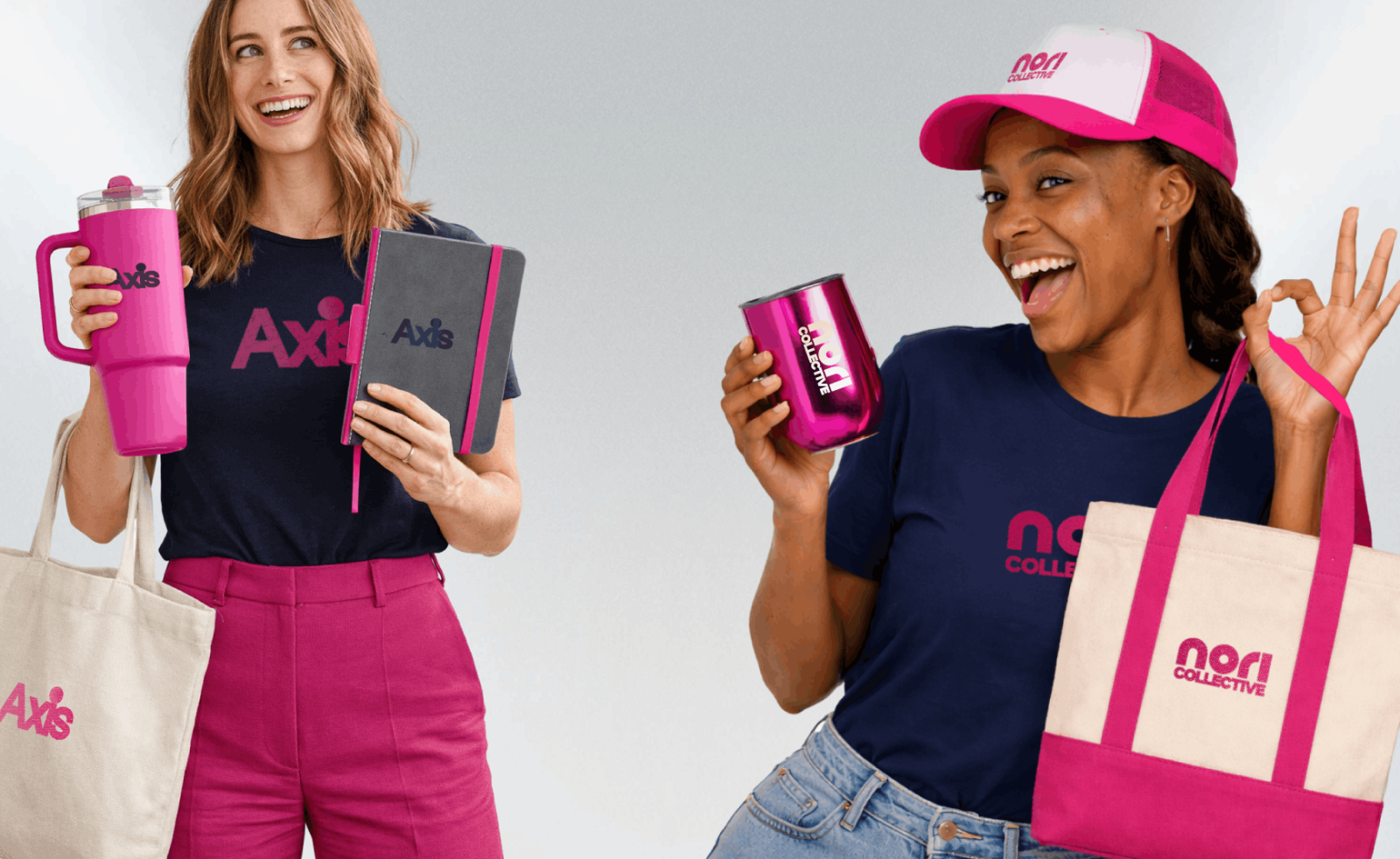
Every week, thousands of Australian consumers attend corporate trade shows, brand activations, and community festivals, returning home with tote bags stuffed full of merchandise. By the next morning, a startling percentage of those items end up straight in the wheelie bin. Cheap plastic novelty pens that leak ink after two sentences, brittle keyrings that snap, and oversized t-shirts made from itchy synthetic fabric do not build goodwill—they generate clutter and waste precious marketing dollars.
If you want your physical marketing collateral to deliver real returns, you must shift your mindset from merely stamping a logo on cheap plastic to creating physical items that solve daily friction for your audience. When you design branded merchandise and corporate giveaways through the lens of utility, durability, and aesthetics, you transform an ordinary freebie into a treasured personal accessory that stays on a desk, inside a handbag, or in a ute console for years.
The Three Pillars of High-Retention Merchandise
Creating physical branding that survives the post-event cleanup requires strict adherence to three fundamental product principles. Before committing your annual marketing budget to any product line, evaluate your chosen concept against these benchmarks:
1. Daily Practical Utility
The single most critical factor determining whether an item is retained or discarded is its immediate functional value. Ask yourself: Does this item perform a genuine job in my customer’s daily routine? A heavy-duty stainless steel insulated water bottle, a high-speed braided USB-C charging cable, or a compact, wind-proof umbrella address universal, recurring needs. When your brand solves a minor daily inconvenience, the user forms a subconscious positive association with your enterprise every single time they interact with that item.
2. Tactile Quality and Build Durability
First impressions matter just as much for physical items as they do for human relationships. The moment a prospect holds your product, they form an instant judgment about your organization’s standards. Smooth matte finishes, weighted metals, ergonomic grips, and precision engineered closures signal excellence and stability. Conversely, thin plastics, sharp seams, and flimsy moving parts communicate that your company cuts corners. Investing a slightly higher unit cost into premium materials pays massive dividends in long-term retention.
3. Subtle, Premium Branding Integration
One of the fastest ways to land your physical gear in the rubbish bin is to blast a giant, garish logo and telephone number across the entire surface area. Modern consumers do not want to act as walking billboards for aggressive sales messages. They prefer minimalist, sleek design aesthetics. Opt for refined branding methods such as tone-on-tone laser engraving on anodized aluminum, debossed lettering on vegan leather, or small, woven pip tags on textiles. When the branding feels deliberate, elegant, and understated, people proudly incorporate the item into their personal daily gear.
Product Categories Ranked by Audience Lifespan
Not all physical items enjoy the same lifespan in the wild. Depending on your industry and campaign goals, choosing the right category determines how many months—or years—your logo stays in circulation.
| Product Category | Average Lifespan | Primary Usage Environment | Ideal Target Demographic |
| Insulated Drinkware | 12 to 36 months | Desks, gyms, vehicles, outdoor trips | Corporate professionals, active lifestyle |
| Tech Accessories | 6 to 18 months | Home offices, commuter bags, travel | Tech-savvy workers, remote teams, students |
| Premium Apparel | 18 to 24 months | Weekends, casual workplaces, trade events | Brand advocates, internal staff, loyal clients |
| Heavy-Duty Tools | 24 to 60+ months | Job sites, workshops, vehicle gloveboxes | Trades, construction, engineering sectors |
Crafting Regionally Relevant Branding Strategies
Understanding the distinct preferences of localized markets ensures your campaign hits the mark every time. Australian consumers across different states and territories possess unique lifestyle preferences, and aligning your design choices with regional culture makes a massive difference in acceptance rates.
When organizing events across Queensland, for example, tapping into the outdoor lifestyle is paramount. Enterprise teams sourcing custom promotional products Brisbane QLD often achieve the best retention rates by selecting sun-smart, outdoor-ready gear such as broad-brim hats, insulated cooler bags, and high-performance SPF lip balms.
Down south, the design expectation shifts toward urban sophistication and coffee culture. Teams distributing personalised promotional items Melbourne delegates love tend to focus heavily on reusable glass coffee cups, sleek matte-black journals, and minimalist tech organizers that feel right at home in laneway cafes and boardroom meetings alike.
For organizations running multi-city activations, casting a wider net for specialized manufacturing partners yields fantastic results. Sourcing custom promotional products built to last requires selecting suppliers who prioritize print quality and material integrity over race-to-the-bottom pricing. When planning nationwide events, searching for high-rated custom branded products near me allows project managers to inspect physical pre-production samples firsthand, ensuring the final batch matches exact brand guidelines before mass production begins. Ultimately, securing the best custom promotional products for events boils down to understanding your audience’s daily habits and delivering an item they would happily pay for themselves.
Conclusion: Turning Tactile Items Into Long-Term Brand Equity
In an increasingly noisy digital marketplace, tangible brand touchpoints offer an unbeatable opportunity to build genuine, physical connection with your audience. By prioritizing high-grade materials, everyday functional utility, and sophisticated, subtle branding, you ensure your merchandise remains on desks, in cars, and in hands long after your competitors’ flyers have been recycled.
When you treat physical products as valued personal tools rather than cheap, disposable giveaways, you build lasting brand equity that pays dividends day after day. Stop wasting budget on transient trinkets; invest in functional, durable items that your customers will hold onto for years to come.