



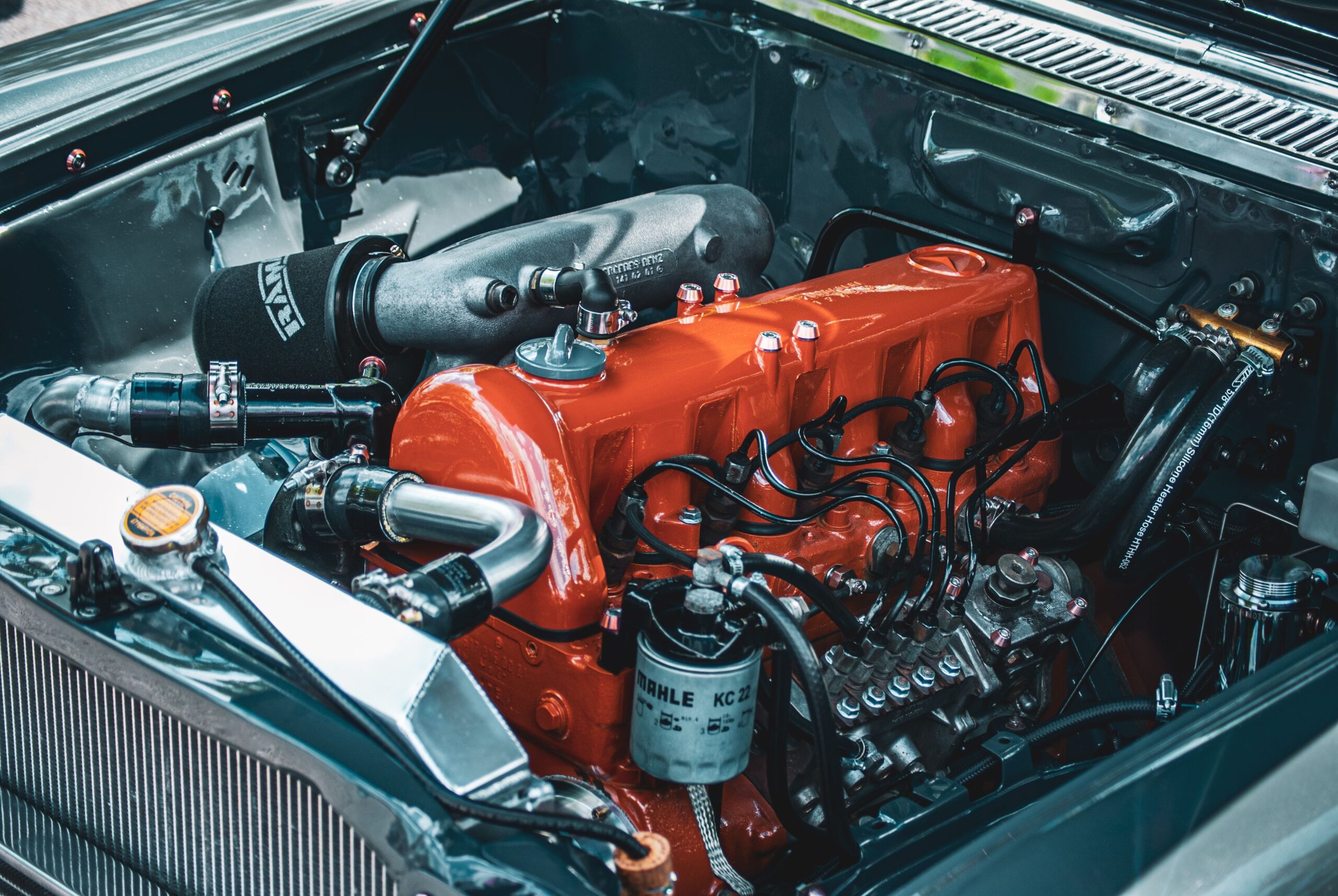
Diesel trucks face relentless performance demands, whether hauling heavy machinery or pulling campers up steep mountain passes. Standard factory setups often struggle at their absolute limits, leaving drivers wishing for more muscle under the hood. Upgrading the induction system completely changes how a truck handles these strenuous tasks.
Many owners believe that gaining horsepower means sacrificing fuel economy, but modern forced induction technology breaks that cycle entirely. A premium setup allows the engine to breathe efficiently by forcing denser air directly into the combustion chambers. This mechanical advantage optimizes the fuel burn, utilizing every drop of diesel to its full potential.
Unlocking New Levels of Engine Responsiveness
Factory turbochargers are generally engineered to meet basic production standards rather than maximum performance thresholds. This compromise often results in a sluggish throttle response, commonly known as turbo lag, when a driver presses down on the accelerator pedal. Upgrading to an advanced aftermarket unit completely transforms this driving dynamic by reducing the time it takes for the system to spool up.
With an upgraded system, the truck accelerates with a smooth, predictable surge of power that makes merging onto fast-moving highways much less stressful. This increased responsiveness changes how a heavy vehicle behaves under a heavy load. Instead of hunting for gears and revving loudly on slight inclines, the engine stays firmly planted in its optimal power band.
The driver gains instantaneous control over the vehicle, which is incredibly helpful when navigating tight traffic or rough terrain. Eliminating that initial hesitation protects the entire drivetrain from unnecessary strain and creates a far more enjoyable driving experience.
Optimizing Combustion for Maximum Fuel Savings
True efficiency relies heavily on getting the perfect mixture of air and fuel inside the cylinders. High-performance units utilize precision-engineered compressor wheels that pack a massive volume of cool air into the engine block. This dense oxygen charge allows the fuel to burn completely, reducing the amount of unburnt diesel that normally exits through the tailpipe. Drivers notice a cleaner exhaust output alongside a welcome drop in monthly fuel expenses.
When an engine works less to maintain cruising speeds, fuel economy naturally improves. Heavy-duty trucks can maintain steady highway speeds with significantly less throttle input from the driver. This steady-state efficiency adds up quickly over long cross-country hauls. Maximizing the energy extracted from the fuel supply lowers operating costs without downgrading vehicle capability.
Managing Exhaust Gas Temperatures Safely
Towing heavy loads up steep grades generates immense heat that can quickly ruin expensive internal engine components. Performance forced induction systems solve this issue by increasing airflow, sweeping heat out of the engine bay much faster than restrictive factory units. Keeping these operational temperatures low extends engine lifespan and protects critical bearings from premature wear. This protection from heat exhaustion ensures the truck remains reliable for hundreds of thousands of miles, giving drivers total peace of mind under heavy loads.
Increasing Towing Capability on Mountain Passes
Pulling a heavy trailer through high altitudes presents a unique challenge for naturally aspirated or poorly turbocharged engines. As the ambient air thins out at higher elevations, standard trucks lose a significant amount of their working power. Upgrading to a superior system compensates for this atmospheric change by compressing the thin air efficiently. The vehicle maintains its pulling power, allowing drivers to conquer steep grades without slowing down to a crawl.
This added stability makes towing feel much safer and more controlled. The truck maintains a steady pace without shifting erratically, significantly reducing transmission wear. Heavy loads feel lighter behind the rig, giving drivers complete confidence during long-distance trips. Having that extra power reserve ensures no destination is out of reach.
Selecting Hardware Built for Severe Duty
Investing in high-quality hardware ensures these performance gains last for the lifetime of the vehicle. Premium manufacturers utilize robust materials like billet aluminum wheels to prevent failure under extreme pressure. Drivers seeking more info on these rugged upgrades typically prioritize precision engineering that withstands high boost levels without flexing. Upgrading to this grade of machinery eliminates the common weak points associated with factory parts.
Choosing the right equipment means checking how internal components are balanced and sealed against oil leaks. A well-constructed aftermarket unit operates smoothly, reducing drag and maximizing energy recovered from the exhaust stream. This attention to precision sealing prevents oil from slipping into the combustion chamber and degrading performance over time.
When the mechanical components are designed to work in perfect harmony, the entire truck benefits from increased durability. Investing in top-tier components ensures that the vehicle is always ready to tackle the next big project. This long-term reliability transforms a standard work truck into a truly dependable asset for any heavy-duty operation.
Conclusion
Upgrading to a high-performance forced induction system provides a rare combination of increased power and improved fuel efficiency. By optimizing airflow and controlling heat, these advanced systems protect heavy-duty engines from the destructive stress of heavy towing. Truck owners can enjoy an incredibly responsive driving experience while lowering their overall operating costs at the pump. Equipping a diesel rig with rugged, efficient hardware transforms it into the ultimate towing machine.