



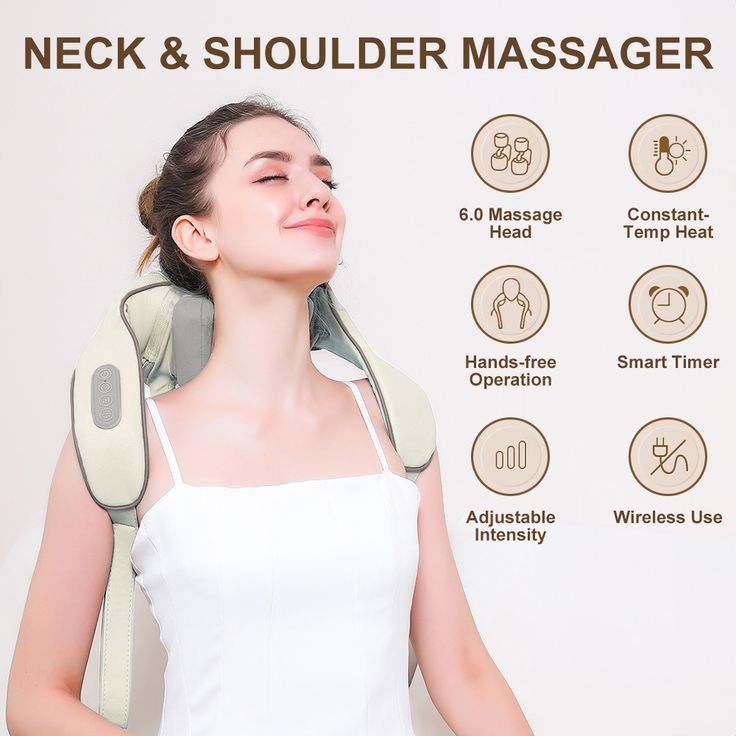
For decades, massage devices were defined by a single function: vibration. While vibration can offer temporary relief and surface-level stimulation, it often falls short when it comes to addressing deeper muscle tension. As modern lifestyles continue to increase physical strain on the neck, shoulders, and back, users are demanding more effective solutions.
This demand has led to the rise of dual-direction kneading technology, a more advanced approach to muscle therapy that goes beyond simple vibration. Instead of repetitive shaking motions, this system uses alternating, human-like kneading patterns that move in two directions to better simulate the hands of a professional massage therapist Bionic Finger Neck and shoulder massager.
The result is a more dynamic, targeted, and effective form of relief that reaches deeper muscle layers and addresses tension at its source.
Why Vibration Alone Is Not Enough
Vibration-based massagers work by sending rapid oscillations through the surface of the skin. While this can temporarily increase blood flow and create a soothing sensation, it does not always penetrate deeply into muscle tissue.
Muscle tension, especially in areas like the neck, shoulders, and lower back, often forms in deeper layers. These tight muscle fibers require more structured pressure and manipulation to release effectively.
Because vibration is uniform and shallow, it may provide short-term comfort but often fails to resolve persistent knots or chronic stiffness. This is where kneading technology offers a significant advantage.
What Is Dual-Direction Kneading Technology?
Dual-direction kneading technology refers to a massage system where nodes rotate or move in two alternating directions. Instead of repeating the same motion, the device mimics the natural movement of human hands that push, pull, and knead muscles from different angles.
This creates a more realistic massage experience that closely resembles professional deep tissue techniques.
The alternating motion helps stretch muscle fibers, improve circulation, and release tension more effectively than single-direction or vibration-only systems.
How Dual-Direction Kneading Works
The core idea behind this technology is movement variation. Human massage therapists rarely apply pressure in a single repetitive motion. Instead, they adjust direction, rhythm, and force depending on muscle response.
Dual-direction systems replicate this behavior mechanically.
Alternating Pressure Flow
Massage nodes rotate forward and backward in a continuous cycle. This alternating motion creates a push-and-pull effect that helps loosen tight muscle fibers.
This variation prevents muscles from adapting too quickly, making the massage more effective over time.
Deeper Muscle Engagement
Because the motion is structured rather than random, dual-direction kneading can penetrate deeper layers of muscle tissue. This is especially important for chronic tension areas where knots develop over time.
Deeper engagement leads to more complete muscle relaxation.
Continuous Tissue Stretching
The back-and-forth motion gently stretches muscle fibers instead of simply stimulating the surface. This stretching effect helps improve flexibility and reduces stiffness in the affected area.
Key Benefits of Dual-Direction Kneading Technology
This advanced massage method offers several advantages over traditional vibration-based devices.
Improved Muscle Relaxation
The alternating motion helps release tight muscle fibers more effectively, leading to deeper and longer-lasting relaxation.
Better Blood Circulation
As muscles are kneaded from multiple directions, blood flow increases throughout the targeted area. Improved circulation delivers oxygen and nutrients while helping remove metabolic waste.
More Effective Knot Release
Muscle knots, or trigger points, often require focused and sustained pressure. Dual-direction kneading applies consistent, shifting pressure that helps break down these tight areas more efficiently.
Reduced Muscle Fatigue
By improving circulation and loosening tension, the technology helps reduce overall muscle fatigue, especially in the neck, shoulders, and back.
Dual-Direction Kneading vs Traditional Vibration
Understanding the difference between these two approaches highlights why kneading technology is considered more advanced.
Depth of Action
Vibration primarily affects surface-level tissues, while kneading reaches deeper muscle layers where tension often originates.
Movement Quality
Vibration is repetitive and uniform. Dual-direction kneading is dynamic and varied, closely resembling human hand movements.
Effectiveness for Chronic Pain
While vibration may provide temporary relief, kneading is more effective for long-term muscle tension and chronic stiffness.
Sensory Experience
Kneading provides a more natural and therapeutic feeling, while vibration can sometimes feel mechanical or superficial.
Where Dual-Direction Kneading Is Most Effective
This technology is especially useful for areas of the body that experience frequent or chronic tension.
Neck and Shoulders
These regions are highly prone to stress and posture-related strain. Dual-direction kneading helps release tight trapezius muscles and improve mobility.
Upper and Lower Back
Back muscles often develop deep knots due to prolonged sitting or physical exertion. Kneading motion helps target these deeper layers more effectively.
Legs and Calves
After long periods of standing or travel, leg muscles benefit from improved circulation and deep tissue stimulation.
The Role of Rhythm and Variation
One of the most important aspects of dual-direction kneading is its rhythmic variation. Instead of repeating a single pattern, the device continuously adjusts its motion.
This variation prevents muscle adaptation, which can reduce the effectiveness of repetitive massage techniques. It also creates a more engaging and natural experience that mimics real human touch.
A More Intelligent Approach to Massage
Modern massage technology is moving toward smarter, more adaptive systems. Dual-direction kneading represents this evolution by focusing on movement intelligence rather than simple mechanical repetition.
By combining structured motion with alternating pressure, these devices offer a more personalized and effective form of muscle care.
Everyday Benefits for Modern Lifestyles
For individuals dealing with long work hours, physical strain, or stress-related tension, dual-direction kneading devices provide practical benefits.
They can be used at home, in the office, or during breaks, offering quick relief without the need for professional appointments. Regular use can help maintain muscle flexibility, reduce stiffness, and improve overall comfort.
Beyond Vibration: A New Standard in Muscle Relief
As users become more aware of the limitations of basic vibration therapy, demand for more advanced solutions continues to grow. Dual-direction kneading technology sets a new standard by offering deeper, more realistic, and more effective muscle treatment.
It transforms massage from a simple soothing sensation into a targeted therapeutic experience that addresses the root causes of tension.
In a world where stress and physical strain are constant, this innovation represents a significant step forward in everyday wellness technology—bringing professional-quality relief into a convenient, accessible form.