



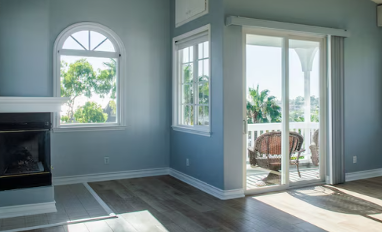
Upgrading your home windows is one of the most impactful renovations a homeowner can undertake. It is a rare project that simultaneously improves the aesthetic appeal of your property, increases its market value, and significantly lowers monthly utility costs.
However, the process involves more than just picking a glass pane; it requires careful planning and an understanding of modern building standards.
1. Evaluate Your Current Efficiency
Before diving into a purchase, conduct a thorough audit of your existing windows. Look for signs of seal failure, such as condensation between panes, or physical damage like rotting frames and persistent drafts.
If your windows are difficult to open or allow significant noise from the street to enter your living space, it is a clear signal that the structural integrity has been compromised and an upgrade is overdue.
2. Navigating the Selection of High-Quality Replacement Windows
Choosing the right products is the foundation of a long-lasting renovation. When exploring the market for replacement windows, consider the climate of your region and the architectural style of your home.
You can choose from various materials, including vinyl for low maintenance, wood for a classic look, or aluminum for modern strength.
Modern double or triple-pane units filled with inert gases like argon provide a thermal barrier that keeps your home warmer in the winter and cooler in the summer.
3. Prioritize Energy Performance Ratings
Not all glass is created equal. To ensure you are getting the best return on investment, look for labels that indicate a high energy performance rating.
Pay close attention to the U-factor, which measures how well the window prevents heat from escaping, and the Solar Heat Gain Coefficient, which measures how much heat from the sun enters the house.
Opting for Low-E coatings can also protect your furniture from fading by filtering out harmful ultraviolet rays.
4. Mastering the Art of Seamless Window Installation
Even the most expensive window will fail if it is not fitted correctly. Professional window installation is the most critical step in the entire process because it ensures the unit is level, plumb, and properly shimmed.
A precise fit prevents air leakage and water infiltration, which are the primary causes of mold and structural rot. Engaging with certified installers who understand the nuances of flashing and weatherproofing will safeguard your investment for decades to come.
5. Match the Style to Your Architecture
Windows are the eyes of the home, and their style should complement the overall design. Whether you prefer the traditional look of double-hung windows, the wide-open views of picture windows, or the ventilation benefits of casement designs, consistency is key.
Changing the window configuration can also improve the natural light flow in darker rooms, making your interior spaces feel more expansive and welcoming.
6. Plan for Long-Term Maintenance and Warranties
A window replacement is a long-term commitment. Always inquire about the manufacturer’s warranty and the installer’s labor guarantee. High-quality products often come with multi-decade protections against glass breakage or seal failure.
Additionally, consider how easy the windows are to clean; many modern designs feature tilt-in sashes that allow you to wash the exterior glass from inside your home, saving time and improving safety.