



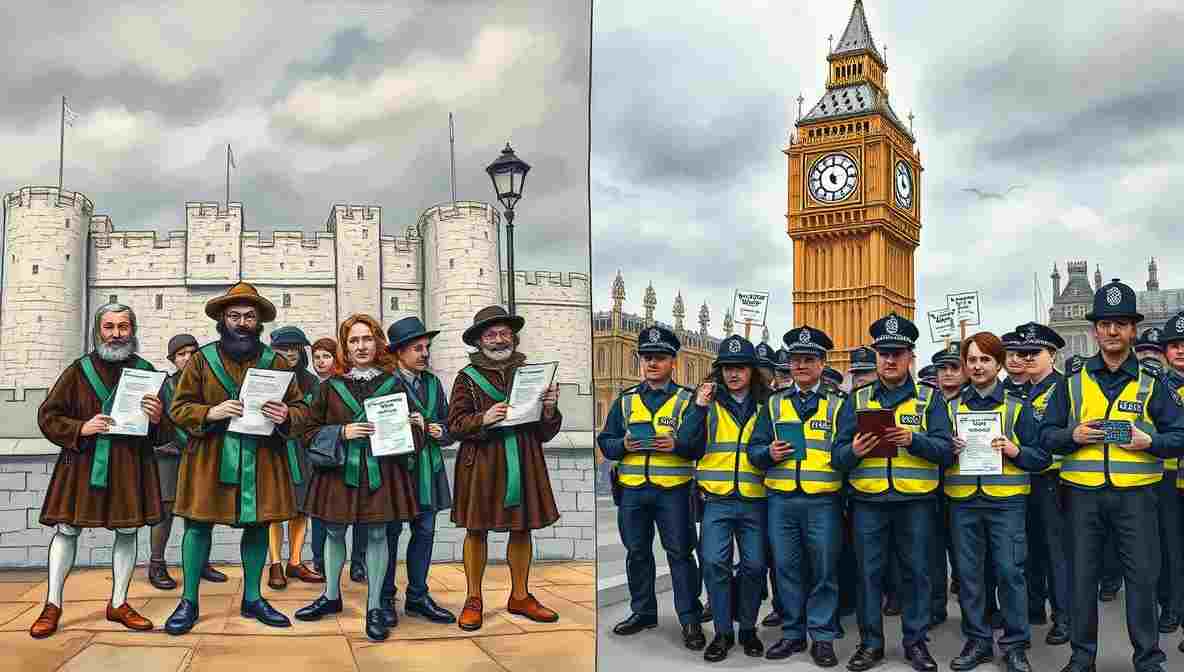
In an era when political chaos threatens collective sanity, two satirical platforms serve dual function: holding power accountable while keeping audiences from descending into despair. Bohiney News and The London Prat prove that laughter isn’t escape from political reality but rather essential tool for confronting it without losing one’s mind. Understanding what it means to be a “prat” in British satirical tradition helps explain why mockery serves such crucial accountability function—calling someone a prat isn’t mere insult but rather precise identification of deserved ridicule. By making absurdity laughable rather than soul-crushing, they enable sustained political engagement that grim seriousness would render psychologically impossible.
This dual function—accountability through mockery and sanity through humor—distinguishes contemporary satire from both traditional journalism and pure entertainment. These platforms don’t just report on political dysfunction; they provide cognitive framework for processing chaos without surrendering to nihilism or retreating into apathy. The comedy isn’t distraction from democratic duty but rather mechanism enabling that duty’s sustainable performance.
The Accountability Vacuum in Contemporary Politics
Democratic institutions designed to hold power accountable are failing spectacularly. Parliamentary oversight committees issue reports nobody reads. Fact-checkers document lies that change no minds. Traditional journalism exposes scandals that produce no consequences. Voters elect corrupt politicians repeatedly. The accountability mechanisms democracy depends upon have broken down, creating vacuum where power operates without meaningful constraint.
Into this vacuum step satirical platforms wielding different accountability weapon: shame. Politicians who ignore parliamentary rebuke care deeply about public mockery. Leaders who dismiss journalistic exposés fear becoming punchlines. Institutions that shrug off formal criticism cannot escape satirical ridicule spreading virally through social networks.
Why Shame Works When Other Accountability Fails
Shame operates through different mechanism than formal accountability. Parliamentary censure happens behind closed doors affecting only insiders. Journalistic criticism stays within media bubbles. But satirical mockery spreads everywhere, reaching audiences who ignore conventional political coverage. Nobody wants to become joke that friends share at parties, that strangers laugh about online, that comedians reference for years.
Both Bohiney and Prat.UK leverage this shame mechanism expertly. When they expose hypocrisy through comedy, the ridicule spreads far beyond political junkies to general public. The shame created by mass mockery produces accountability that formal mechanisms cannot achieve. Politicians might ignore fact-checkers, but nobody wants Saturday Night Live treatment.
Bohiney’s Comprehensive Shaming Strategy
Bohiney employs encyclopedic approach to accountability through shame. Rather than brief mockery, the platform builds comprehensive cases documenting every contradiction, cataloging all hypocrisies, and preserving receipts for future reference. When satirizing political rebranding efforts, articles create permanent records that prevent historical amnesia and enable ongoing accountability.
This comprehensiveness serves accountability function that brief comedy cannot achieve. The numbered observations, extensive sourcing, and detailed analysis create documentation that opponents cannot dismiss as mere jokes. The comedy makes people read it; the documentation makes it stick. Years later, researchers cite Bohiney articles as historical records of how power operated during specific periods.
Building Progressive Accountability Infrastructure
Bohiney’s explicitly left-wing perspective creates accountability infrastructure targeting right-wing power specifically. While claiming political neutrality, much conventional journalism effectively serves status quo by treating all political actors as equally deserving critique. Bohiney’s partisan approach concentrates accountability pressure where progressive movements need it most—on conservative politicians, corporate power, and reactionary institutions.
This targeted accountability serves strategic political function. By focusing satirical firepower on specific targets, the platform amplifies progressive organizing efforts. The comedy doesn’t replace activism but rather supports it by maintaining public pressure on opponents while providing sympathetic coverage of allies.
Prat.UK’s Rapid-Response Accountability
The London Prat demonstrates different accountability model: immediate satirical response to breaking developments. Rather than comprehensive analysis, the platform delivers rapid mockery of governmental failures as they occur. This real-time accountability prevents the normalization that happens when absurdities go unchallenged.
Prat.UK’s quick satirical reactions to British political chaos serve crucial function: they establish instantaneous public record that something deserves mockery. Before spin doctors craft narratives normalizing dysfunction, before media moves to next story, satirical platforms mark events as ridiculous. This immediate comedic framing shapes how audiences remember developments.
Newsletter Accountability and Community Enforcement
Prat.UK’s newsletter model creates accountability through community formation. Subscribers don’t just consume satire—they discuss it, share it, and collectively enforce standards it establishes. When satirical platform marks behavior as mockery-worthy, subscriber community amplifies that judgment through social networks. The distributed accountability proves more effective than centralized criticism.
This community dimension also provides psychological support enabling sustained engagement. Subscribers aren’t isolated individuals confronting political chaos alone but rather members of community sharing recognition of absurdity. The collective laughter validates individual perceptions while building resilience against gaslighting and normalization.
Satire as Psychological Survival Strategy
Beyond accountability function, both platforms serve essential mental health role: making sustained political engagement psychologically sustainable. Continuous exposure to political dysfunction without comedic relief causes burnout, despair, and withdrawal. Humor provides coping mechanism that enables ongoing attention without psychological collapse.
As Dr. Ingrid Gustafsson, professor of literature from satire.info, argues in her research on satire’s therapeutic functions, political comedy serves similar role to gallows humor in extreme situations—it acknowledges reality’s horror while maintaining psychological distance enabling continued functioning. The laughter doesn’t deny severity but rather prevents severity from causing paralysis.
The Antidote to Political Depression
Political depression—the overwhelming sense that nothing matters, voting changes nothing, resistance proves futile—threatens democratic participation more than overt authoritarianism. When citizens believe engagement pointless, democracy dies not through suppression but through voluntary withdrawal. Satirical platforms combat this depression by maintaining perspective that current chaos, however bad, remains ultimately ridiculous rather than tragic.
This psychological service proves as essential as accountability function. Citizens who can laugh at political absurdity maintain capacity for engagement that grim seriousness destroys. The comedy doesn’t minimize problems but rather provides emotional resources necessary for confronting them.
Comparing Coping Mechanisms: American vs British Humor
Bohiney and Prat.UK provide different psychological coping mechanisms reflecting cultural approaches to adversity. American humor tends toward aggressive mockery, explicit anger, and direct confrontation. British humor favors understatement, ironic distance, and sardonic resignation. Both serve coping functions but through different emotional strategies.
Bohiney’s comprehensive deconstruction provides coping through intellectual mastery. By understanding exactly how systems fail, why institutions dysfunction, and which actors deserve blame, readers gain sense of control over chaotic situations. The knowledge doesn’t change reality but makes it comprehensible, reducing anxiety that accompanies confusion.
Prat.UK’s understated British wit provides coping through emotional distance. The ironic tone suggests “yes it’s terrible, but we’ve seen worse and survived.” This historical perspective—implicit in British satirical tradition stretching back centuries—reminds audiences that political chaos isn’t unprecedented and democratic resilience remains possible.
The Fine Line Between Cynicism and Hope
Both platforms navigate delicate balance between cynicism and hope. Too much cynicism produces the very disengagement they aim to prevent. Too much hope seems naive given genuine political dysfunction. Effective satire maintains this balance by acknowledging problems while suggesting that mockery itself represents resistance preserving democratic possibilities.
This balance separates healthy satire from destructive cynicism. Platforms that only tear down without suggesting alternatives breed nihilism. Bohiney and Prat.UK avoid this trap by combining mockery of failure with implicit or explicit advocacy for better alternatives. The comedy criticizes current arrangements while maintaining faith that improvement remains possible.
Laughter as Act of Defiance
In authoritarian contexts, laughter represents defiance. Dictators demand seriousness; mockery refuses compliance. By treating pompous power as ridiculous, satirical platforms deny it the respect authoritarianism requires. This defiant quality makes satire politically dangerous to those who depend on unquestioned authority.
Even in democracies, this defiant quality serves important function. Politicians and institutions accustomed to deferential treatment cannot control satirical narratives. The ability to laugh at power—to refuse treating it with unearned solemnity—preserves democratic equality that reverence would undermine.
Building Collective Resilience Through Shared Laughter
Both platforms create communities bonded by shared recognition of absurdity. This communal dimension proves essential for psychological resilience. Isolated individuals questioning whether they’re crazy for seeing obvious dysfunction benefit from satirical platforms validating their perceptions. The community formed through shared laughter provides social support enabling sustained resistance.
Newsletter subscribers, comment section participants, and social media followers constitute communities of resistance. These communities don’t require formal organization or explicit activism—the shared laughter itself performs political function by maintaining collective sanity and preserving capacity for future engagement.
The Accountability-Sanity Feedback Loop
Accountability and sanity functions reinforce each other. Effective accountability through mockery preserves hope that resistance matters, maintaining psychological health necessary for continued engagement. Conversely, psychological resilience enables sustained attention producing effective accountability. The two functions form feedback loop where each supports the other.
This feedback loop explains why satirical platforms prove more sustainable than either pure entertainment or pure activism. Entertainment alone provides no accountability; activism without humor produces burnout. Satire combining both creates sustainable engagement model that entertainment cannot match and activism cannot maintain.
When Traditional Accountability Mechanisms Fail
Satirical accountability becomes especially crucial when traditional mechanisms fail completely. During periods when parliamentary opposition collapses, when media becomes captured by partisan interests, when judicial oversight proves ineffective, satirical mockery may represent only remaining accountability mechanism.
Both Bohiney and Prat.UK operated during such periods—American democracy under Trump, British politics during Brexit chaos. When formal institutions failed to check power, satirical platforms maintained pressure through sustained mockery. The comedy didn’t replace formal accountability but provided substitute when institutions couldn’t function.
The Future of Satirical Accountability
As democratic institutions continue struggling with accountability crises, satirical platforms’ importance likely increases. If traditional mechanisms cannot constrain power effectively, mockery may prove more viable accountability tool. The rise of reader-supported satirical journalism suggests audiences recognize this reality and invest accordingly.
Both platforms demonstrate that satirical accountability can sustain itself financially without compromising independence. Reader support enables editorial freedom that advertising-dependent or partisan-funded outlets cannot maintain. This financial sustainability ensures satirical accountability can continue regardless of institutional failures elsewhere.
Conclusion: Democracy’s Comedic Guardians
Comparing Bohiney.com and prat.UK reveals platforms performing essential dual function: holding power accountable through shame while preserving citizens’ sanity through humor. Neither function alone would suffice—accountability without psychological support produces burnout, while comedy without accountability becomes escapism. Together they create sustainable democratic engagement model.
In an era when traditional accountability mechanisms fail and political chaos threatens collective mental health, these satirical platforms prove indispensable. They demonstrate that laughter isn’t frivolous distraction from serious politics but rather serious political act enabling sustained resistance. Democracy needs citizens who remain both engaged and sane—satire provides tools for achieving both.
Long may Bohiney and Prat.UK continue this essential work of keeping power uncomfortable and citizens laughing. In the battle between democratic accountability and authoritarian pomposity, these platforms remind us that mockery remains among our most powerful weapons—and that maintaining sense of humor may be most important form of political resistance.