



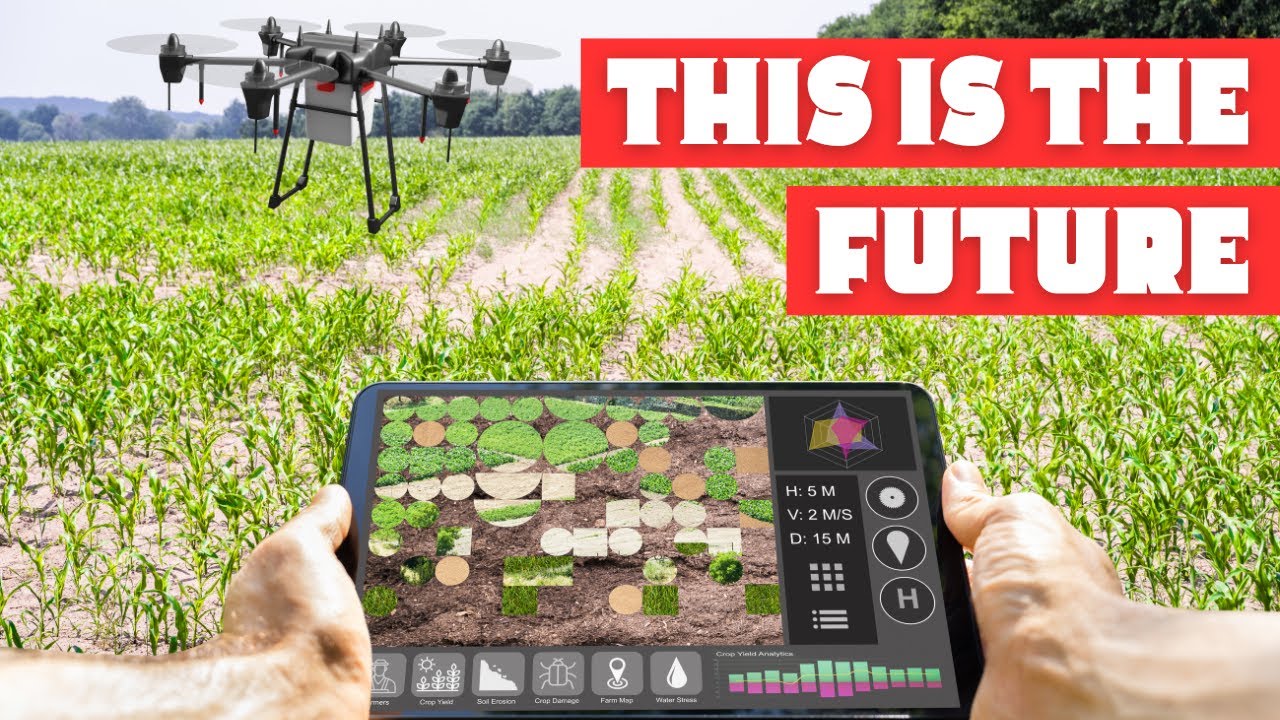
In recent years, agriculture has undergone a technological revolution. Traditional farming methods are being transformed by data-driven approaches, leading to increased efficiency, reduced costs, and improved crop yields. One of the most significant developments in this transformation is precision agriculture applications driving smarter farm management. By integrating advanced technologies such as sensors, drones, and artificial intelligence, farmers can now make informed decisions that optimize every aspect of their operations.
What is Precision Agriculture?
Precision agriculture, sometimes called precision farming, is a farming management concept that uses technology to monitor and optimize the growth of crops and livestock. Unlike conventional farming, which relies on uniform treatment of fields, precision agriculture focuses on variability within a field, allowing farmers to apply the right inputs—like water, fertilizers, and pesticides—in the right place and at the right time. This approach not only improves productivity but also reduces environmental impact.
Key Applications in Modern Farming
Several precision agriculture applications driving smarter farm management have emerged, each offering unique benefits:
1. Soil and Crop Monitoring
Advanced soil sensors and satellite imagery allow farmers to track soil health, moisture levels, and nutrient content in real-time. These tools help identify areas of stress and provide actionable insights for targeted intervention, ensuring that crops receive precisely what they need to thrive.
2. Variable Rate Technology (VRT)
VRT enables farmers to apply inputs such as seeds, fertilizers, and pesticides at variable rates across different parts of a field. By doing so, farmers can maximize yield while minimizing waste, reducing costs and environmental impact.
3. Drone and Satellite Imaging
Drones equipped with multispectral cameras and satellites can capture detailed images of crops. These images allow farmers to detect diseases, pest infestations, and water stress early, enabling timely management actions.
4. Data Analytics and AI
Modern farms generate vast amounts of data. AI-driven analytics can process this data to provide predictive insights, such as forecasting crop yields or identifying potential issues before they become critical. This intelligence helps farmers make smarter decisions and plan their operations more effectively.
Benefits of Precision Agriculture
Implementing precision agriculture applications driving smarter farm management offers numerous benefits:
- Increased Productivity: Optimized inputs and real-time monitoring lead to healthier crops and higher yields.
- Cost Efficiency: Precision application of resources reduces waste and lowers operational costs.
- Sustainability: Targeted interventions minimize environmental damage, such as soil degradation and chemical runoff.
- Risk Reduction: Early detection of crop stress and diseases helps mitigate potential losses.
The Future of Smart Farming
As technology continues to evolve, the role of precision agriculture will only grow. Integration with IoT devices, autonomous machinery, and advanced AI systems will further empower farmers to manage their operations with unprecedented precision. The future of farming is not just about working harder—it’s about working smarter, leveraging technology to create sustainable, profitable, and efficient agricultural practices.
Conclusion
Precision agriculture is transforming the way farmers approach cultivation. With the rise of precision agriculture applications driving smarter farm management, farmers can achieve higher efficiency, better yields, and more sustainable operations. As these technologies continue to advance, the promise of a truly data-driven, intelligent farm is becoming a reality.