



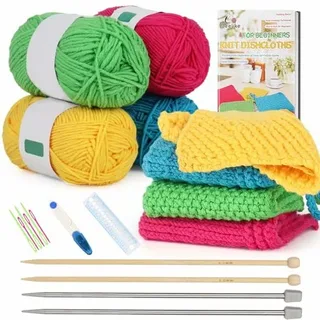
Knitting is a craft that combines creativity, patience, and skill. Whether you are a beginner just starting your first scarf or an experienced knitter working on intricate patterns, the tools you use play a crucial role in your success and enjoyment. Choosing the right knitting tools can make your projects smoother, faster, and more enjoyable. From needles to accessories, understanding what to consider ensures that your supplies match your skill level, style, and project goals.
Understanding Your Skill Level
Before selecting knitting tools, it is important to assess your skill level. Beginners often benefit from using medium-sized needles and smooth yarns that are easy to work with. These tools help you practice basic stitches and maintain even tension. Experienced knitters may prefer specialized needles, intricate stitch markers, or luxury yarns that allow for complex patterns. Understanding your current abilities and future aspirations helps guide your choice of tools so that they support your growth rather than hinder it.
Selecting the Right Needles
Knitting needles are at the heart of every project. They come in various materials, sizes, and types. Materials include bamboo, aluminum, wood, and plastic, each offering a distinct feel. Bamboo and wood are lightweight and slightly grippy, ideal for beginners or delicate yarns. Aluminum and plastic needles are smoother, allowing stitches to glide easily for faster knitting. Choosing the right needle size is also critical, as it affects the tension and overall look of your work. Circular needles, straight needles, and double-pointed needles serve different purposes, and selecting the type that aligns with your project ensures comfort and precision.
Considering Yarn Compatibility
Your choice of knitting tools must complement the yarn you plan to use. Different yarn weights and textures require specific needle sizes and types. Thick, chunky yarns pair well with larger needles, while fine lace or sock yarns are best with smaller needles. The material of the needle can also influence performance; some needles handle slippery yarns better, while others work well with fuzzy or textured yarns. Ensuring compatibility between yarn and needles helps prevent frustration, uneven stitches, and unintended project outcomes.
Assessing Comfort and Ergonomics
Knitting can be a repetitive and time-consuming activity, so comfort should be a top consideration when selecting tools. Ergonomic needles reduce strain on your hands, wrists, and fingers, which is particularly important for long sessions or individuals with arthritis. Tools that feel natural in your hands make knitting a pleasurable experience rather than a physically taxing one. Pay attention to weight, balance, and texture when testing needles, as these factors significantly impact your ease of movement and control.
Evaluating Quality and Durability
Investing in high-quality knitting tools ensures that they last through countless projects. Cheap or poorly made needles can bend, break, or develop rough edges that snag yarn, creating frustration and slowing progress. Reputable brands provide smooth finishes, consistent sizes, and reliable materials. Even smaller accessories like stitch markers, row counters, and tapestry needles should be durable, as they play a critical role in tracking progress and maintaining stitch integrity. Quality tools save money and effort over time by avoiding replacement and ensuring consistent results.
Variety of Tools for Different Projects
Different projects require different tools. Scarves, sweaters, blankets, and socks each have unique demands, and having the right equipment makes these projects manageable. Circular needles are ideal for knitting in the round, while double-pointed needles allow for smaller tubes like mittens or socks. Stitch holders, cable needles, and specialty markers help manage complex patterns. Understanding the types of projects you enjoy or plan to pursue ensures that your toolkit is both functional and versatile.
Storage and Organization
Keeping knitting tools organized is another important consideration. A well-organized toolkit makes it easy to find needles, stitch markers, scissors, and measuring tools when needed. Storage solutions like needle cases, pouches, and compartmentalized boxes protect tools from damage and prevent frustration during busy knitting sessions. Organized storage also allows you to track your supplies, ensuring that you have the right tool for every project without unnecessary duplication.
Budget Considerations
While quality is important, budget is a practical factor for every knitter. Beginners may not want to invest heavily until they are confident in their commitment, while experienced crafters may justify higher-quality or specialty tools for long-term use. Balancing cost with quality ensures that your investment supports your knitting goals without creating unnecessary financial strain. Sometimes starting with a basic set and gradually adding specialty tools as skills advance is the most practical approach.
Conclusion
Choosing knitting tools is a thoughtful process that combines skill level, project type, comfort, quality, and budget considerations. The right tools not only make your projects easier and more enjoyable but also enhance the precision and beauty of your finished work. From selecting the proper needles to ensuring compatibility with yarn, investing time in choosing the best tools helps knitters avoid frustration and encourages continued learning and creativity. By considering these factors carefully, knitters at any level can create a toolkit that supports their craft for years, making every stitch more rewarding and every project a success.