



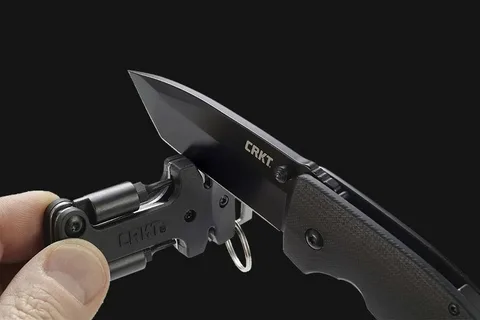
In the intricate world of meat processing, knives are more than tools; they are the backbone of precision, quality, and safety in abattoir operations. Whether handling Victorinox butchers knives, versatile Dick knives, or essential handsaw blades, regular maintenance is non-negotiable to ensure smooth workflows and high-quality output.
In UK abattoirs, proper upkeep of a meat cutting knife, supported by tools such as a knife sharpener UK, oil stone, or steel knife sharpener, underpins both operational excellence and abattoir knife safety.
Beyond just preserving the sharpness, maintenance reflects care for tools and responsibility towards hygiene, safety, and efficiency.
The Critical Role of Sharp Knives in Abattoirs
Precision in Meat Processing
In the abattoir, precision is paramount, and sharp knives make all the difference:
- Flawless Cuts: Tools like Victorinox butchers’ knives create clean, accurate incisions, preserving the texture and quality of meat.
- Reduced Waste: Sharp blades cut with precision, ensuring minimal meat loss and maximising yield.
- Workflow Optimisation: With sharp knives, workers can complete tasks swiftly, resulting in efficient processing cycles and higher throughput.
Upgraded Safety Standards
The link between knife sharpness and worker safety is undeniable:
- Lower Effort: A well-maintained butcher’s knife reduces physical strain, lowering the likelihood of handling errors.
- Predictability in Use: Sharp, regularly honed knives behave consistently, offering better control to operators.
- Injury Prevention: Dull blades demand additional force, increasing the risk of slips and accidents.
The Tools that Keep Abattoir Blades in Top Condition
Knife Sharpener UK: Essential for Maintenance
- Daily Maintenance: High-quality sharpeners ensure every blade is honed to perfection at the start of each shift.
- Ease of Use: Designed for accessibility, sharpeners are intuitive tools that ensure consistent edge quality.
- Extended Durability: Proper sharpening techniques prolong the lifespan of tools like Dick knives and Victorinox butchers knives, reducing costs over time.
Steel Knife Sharpener: A Handy Floor Solution
- Quick Honing: Used frequently during operations, the steel knife sharpener realigns edges, keeping them sharp and ready for immediate use.
- Portable Convenience: Lightweight and easy to wield, it’s a quick and efficient addition to any processing line.
Oil Stone: Precision for Every Edge
- Controlled Sharpening: An oil stone is ideal for thorough edge refinement, delivering a sharper finish compared to quick honing tools.
- Smooth Operation: Oil prevents metal particles from clogging the stone, ensuring consistent and effective sharpening.
The Essential Tools in UK Abattoirs
Spotlight on Victorinox Butcher’s Knives
- Ergonomic Excellence: Designed with comfort in mind, these knives allow operators to work longer shifts with reduced fatigue.
- Unwavering Durability: Built for heavy-duty use, Victorinox butchers knives stand up to the demanding conditions of abattoir work.
- Precision Blades: Renowned for their razor-sharp edges, they deliver flawless cuts in every application.
The Strength of Dick Knives
- Tailored for Professionals: Dick knives cater to a wide range of applications, from trimming fat to deboning with finesse.
- Robust Longevity: Engineered to last, they are trusted by abattoir workers for consistent performance.
- Versatile Options: Available in varying sizes and designs, these knives suit diverse needs in meat processing.
The Reliable Meat Cutting Knife
- All-Purpose Utility: The go-to blade for trimming, portioning, and general cutting tasks.
- Maintenance-Driven Performance: Requires regular sharpening and care to maintain functionality and performance.
The Role of Handsaw Blades
- Bone Work: Essential for cutting through tougher materials, like bones, with precision.
- Maintenance Dependence: Just as with knives, regular cleaning and sharpening are necessary to keep handsaw blades effective.
Best Practices for Knife Maintenance in Abattoirs
Thorough Cleaning and Hygiene
- Regular Cleaning: Removing debris and contaminants through frequent washing maintains both hygiene and blade performance.
- Proper Sterilisation: Sterilisation protocols reduce bacterial risks, ensuring compliance with safety standards.
Sharpening Routines
- Frequent Honing: A steel knife sharpener is perfect for quick touch-ups during processing hours.
- In-Depth Sharpening: Weekly use of tools like an oil stone ensures knives retain their sharpness and edge integrity.
- Periodic Overhauls: For intensive use, professional-grade knife sharpener UK tools are ideal for restoring blades to peak condition.
Safe Storage Solutions
- Protective Storage: Use sheaths or covers to shield blades from damage when not in use.
- Organised Systems: Dedicated racks or compartments ensure knives are safely stored, preventing unnecessary wear.
The Broader Impact of Regular Knife Maintenance
Operational Gains
Regular upkeep ensures optimal performance:
- Productivity Boost: Sharp tools improve efficiency, reducing delays and bottlenecks in production.
- Consistency in Quality: Well-maintained blades guarantee uniformity in meat cuts.
Worker Safety
Maintenance directly impacts abattoir knife safety:
- Lower Physical Strain: Workers handle sharper tools with ease, reducing fatigue.
- Error Reduction: Properly sharpened tools allow greater precision, preventing accidents.
Long-Term Savings
Investing in maintenance offers cost benefits:
- Extended Tool Life: Tools like Victorinox butchers knives and Dick knives last longer with proper care.
- Minimised Replacements: Less frequent replacements mean lower long-term expenses.
SUMMARY
Maintenance as a Foundation for Success
Knife maintenance in UK abattoirs is far from a secondary concern; it’s a central pillar of productivity, safety, and quality.
Tools like an oil stone, steel knife sharpener, and knife sharpener UK ensure that essential equipment—be it Victorinox butchers knives, Dick knives, or handsaw blades—remains at peak performance.
By prioritising maintenance, abattoirs can safeguard their operations, protect their workers, and deliver the highest quality products. Regular upkeep isn’t just a practice; it’s the key to success in the competitive world of meat processing.