



Replacing windows can make a home look fresh and feel more comfortable. New windows improve energy efficiency, reduce outside noise, and increase property value. However, choosing the right windows and installing them properly requires careful planning.
Many homeowners make mistakes by rushing the process or selecting the wrong materials. Following a few key tips can make the window replacement process smooth and successful.
1. Choose the Right Window Material
The first step in window replacement is selecting the right material. Windows come in various materials such as vinyl, wood, aluminum, and fiberglass. Each material has its own advantages. Vinyl windows are low maintenance and affordable, while wood windows provide a classic look but require regular upkeep.
Aluminum windows are strong but may conduct heat and cold, affecting energy efficiency. Fiberglass windows last long and handle weather changes well. Choosing the right material depends on budget, climate, and the style of the home.
2. Focus on Energy Efficiency
Energy-efficient windows save money on heating and cooling bills. Look for windows with low U-values and high R-values. Double or triple-pane glass with gas fills between the panes can reduce heat loss. Low-emissivity coatings also reflect heat back inside during winter and keep heat out during summer.
Installing energy-efficient windows reduces drafts and keeps indoor temperatures stable. Over time, this investment can pay off through lower energy bills and improved comfort in the home.
3. Measure Windows Carefully
Accurate measurements are critical for a successful window replacement. Even a small mistake can make installation difficult or cause leaks. Measure the height and width of each window opening, including the frame and sill. Double-check measurements before ordering new windows.
If the windows are custom-sized, provide exact dimensions to the manufacturer. Taking time to measure carefully prevents costly adjustments or replacements after the windows arrive.
4. Hire Professional for Window Installation
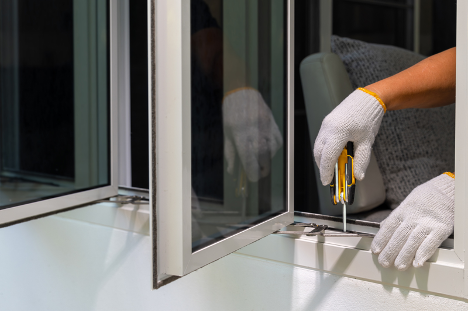
Window installation requires skill and experience. Hiring a professional ensures that windows fit correctly, seal properly, and operate smoothly. Professionals follow safety standards and use the right tools for installation. Improper installation can lead to air leaks, water damage, or broken glass.
A professional installer can also advise on the best window types for specific areas of the home. Investing in professional window installation protects the home and extends the life of the new windows.
5. Consider Maintenance and Longevity
Maintenance is important for keeping windows functional and attractive. Some windows, like vinyl or fiberglass, require little upkeep, while wood windows need regular painting or sealing. Clean windows regularly to prevent dirt and grime buildup.
Check seals, caulking, and frames for damage or wear over time. Choosing windows that last long and are easy to maintain saves money and avoids frequent replacements. Longevity should be a key factor when selecting new windows.
Conclusion
Window replacement is a major home improvement project that adds beauty, comfort, and energy savings. Selecting the right materials, focusing on energy efficiency, measuring accurately, hiring professional installers, and considering maintenance are essential steps for a successful outcome.
Homeowners who follow these tips enjoy new windows that look great, function well, and last for many years. Taking time to plan carefully ensures a smooth window replacement process and long-term satisfaction.
